
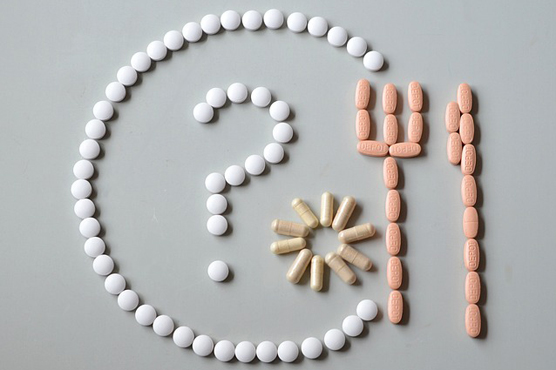
Walk into a pharmacy, supermarket or health food shop and you will find shelves filled with vitamins and supplements promising better energy, stronger bones, improved immunity, healthier skin, better sleep and almost everything in between.
It can be tempting to think that taking a multivitamin or a handful of individual supplements is simply a good way to “cover your bases.”
But there is an important message that often gets lost in the world of wellness:
More nutrients are not automatically better.
Your body needs vitamins and minerals in the right amounts. Not enough can cause deficiency, but too much can also cause harm.
This is why supplements shouldn’t automatically be added to your daily routine simply because they are marketed as “natural,” “high strength” or “good for you.”
The best approach is to work out whether you actually need a supplement, why you need it, how much you need and how long you should take it.
Food First Doesn’t Mean Supplements Are Bad
Let’s be clear: supplements absolutely have an important role in healthcare.
There are many situations where supplementation is appropriate and sometimes essential.
For example, a healthcare professional may recommend supplementation when you have a confirmed nutrient deficiency, when your dietary intake is insufficient, when your body’s requirements are increased, or when a medical condition or medication affects nutrient absorption or metabolism.
The problem isn’t supplements themselves.
The problem is taking them without knowing whether you need them.
Australian Nutrient Reference Values are designed not only to help prevent nutrient deficiencies but also to help prevent harm from excessive intake.
“But It’s Just a Vitamin!”
This is one of the most common misconceptions about supplements.
Vitamins and minerals are essential nutrients, but that doesn’t mean unlimited amounts are safe.
Many nutrients have an upper level of intake—the highest average daily intake likely to pose no risk of adverse health effects for most healthy people.
Going above this level doesn’t necessarily mean you will immediately become unwell, but regularly consuming excessive amounts can increase the risk of toxicity.
And this is particularly relevant when you combine several products.
For example, you might take:
- A multivitamin
- A “hair, skin and nails” supplement
- A magnesium supplement
- A B-complex
- An immune supplement
- A separate vitamin D supplement
You may not realise that several of these products contain the same vitamins and minerals.
Suddenly, your total daily intake can be much higher than you intended.
Iron: Don’t Take It “Just in Case”
Iron is an excellent example of why supplementation should be individualised.
Iron is essential for transporting oxygen around your body, but too much iron can be harmful.
Iron supplements can cause gastrointestinal side effects such as nausea, constipation, abdominal discomfort and diarrhoea. Excessive iron intake can also result in iron toxicity, which can cause serious organ damage.
This is why taking an iron supplement simply because you’re tired isn’t necessarily the best first step.
Tiredness can have many causes.
It could be related to inadequate sleep, inadequate energy intake, stress, illness, low iron stores, anaemia, thyroid problems or a range of other factors.
If iron deficiency is suspected, your doctor can assess your symptoms and determine whether blood tests are appropriate.
If supplementation is required, the appropriate dose and duration can then be determined.
Iron is also found naturally in foods including:
- Red meat
- Seafood
- Poultry
- Eggs
- Lentils
- Chickpeas
- Kidney beans
- Tofu
- Tempeh
- Nuts and seeds
- Wholegrains
Food-first doesn’t mean avoiding supplements when they are needed. It means using food as the foundation and supplementing when there is a reason to do so.
Vitamin D: More Isn’t Better
Vitamin D has become another nutrient that is frequently supplemented without necessarily knowing whether supplementation is required.
Vitamin D is important for calcium absorption, bone health, muscle function and other physiological processes.
But very high intakes of vitamin D can cause toxicity.
Excessive vitamin D can increase calcium absorption to the point where calcium levels in the blood become dangerously high. This can cause symptoms including nausea, vomiting, weakness, excessive thirst and frequent urination and, in severe cases, kidney damage and other serious complications.
Vitamin D toxicity is almost always associated with excessive supplementation rather than normal sun exposure or eating vitamin-D-containing foods.
If you are concerned about your vitamin D status, speak with your doctor about whether testing is appropriate and whether supplementation is required.
Don’t assume that a higher-dose vitamin D supplement is automatically better.
Vitamin B6: The Vitamin That Can Cause Nerve Damage
Vitamin B6 is another great example of why “water-soluble” does not mean “impossible to overdose on.”
Vitamin B6 is important for normal nervous system function, protein metabolism and many other processes throughout the body.
But taking high doses of vitamin B6 supplements over time can cause peripheral neuropathy—damage to the nerves that can result in symptoms such as tingling, numbness or burning sensations, particularly in the hands and feet.
This is particularly important because vitamin B6 can appear in multiple products.
You may have B6 in a multivitamin, magnesium product, B-complex supplement or another product marketed for energy or stress.
Australia’s Nutrient Reference Values include an upper intake level for vitamin B6, and the NHMRC is currently reviewing this upper level in light of newer evidence.
So if you are taking multiple supplements, check the labels and add up your total vitamin B6 intake.
If you’re taking a high-dose B6 supplement every day, it’s worth discussing it with your doctor or Accredited Practising Dietitian.
Calcium: When the Food Source May Be the Better Choice
Calcium is another nutrient where the conversation becomes more complicated than simply “calcium is good for your bones, so take a calcium tablet.”
Calcium is essential for bone health, muscle contraction, nerve function and many other processes.
But how you obtain calcium matters.
Research investigating calcium supplements and cardiovascular health has produced mixed results. Some meta-analyses of randomised trials have reported an increased cardiovascular risk with calcium supplementation, while other more recent analyses have not found a significant increase in cardiovascular events.
This doesn’t mean calcium supplements are dangerous for everyone.
It means they should have a reason for being used rather than being taken automatically.
And this is where food becomes particularly interesting.
Dairy Is More Than Just Calcium
Milk, yoghurt and cheese don’t just contain calcium.
They also provide protein and a range of other nutrients, and dairy foods appear to have a neutral to favourable relationship with cardiovascular health overall.
A large systematic review and meta-analysis of 55 prospective cohort studies found that total dairy consumption was associated with modestly lower risks of hypertension, coronary heart disease and stroke, although the quality of evidence varied and there was considerable variation between studies.
Other systematic reviews have similarly found dairy consumption to be neutral or beneficial in relation to cardiovascular outcomes rather than showing dairy to be harmful to heart health.
This is a great example of why we shouldn’t isolate a single nutrient from the food it comes in.
A calcium tablet is not the same thing nutritionally as a bowl of yoghurt.
Food is a package.
Yoghurt provides calcium alongside protein and other nutrients. Milk provides calcium alongside protein, iodine and other nutrients. Cheese provides calcium and protein alongside other components of the food matrix.
This doesn’t mean everyone needs dairy, and calcium can absolutely be obtained from non-dairy foods such as calcium-set tofu, fortified plant milks, canned fish with edible bones and some leafy vegetables.
The point is to look at the whole food and the overall dietary pattern rather than assuming that a nutrient in isolation is always better.
What About Multivitamins?
A standard multivitamin isn’t necessarily harmful when used appropriately, but it’s also not a substitute for a varied diet.
If you already meet your nutrient requirements through food, adding more vitamins doesn’t necessarily provide additional health benefits.
And multivitamins can become problematic when combined with other supplements.
Before taking one, ask yourself:
Why am I taking this?
If the answer is simply “because I thought I should,” it may be worth stopping and considering whether you actually need it.
What Should You Do Instead?
Rather than starting with supplements, start with your diet.
Ask:
- Am I eating enough overall?
- Am I eating a variety of foods?
- Am I getting enough protein?
- Am I eating fruit and vegetables regularly?
- Am I including wholegrains?
- Am I eating sources of healthy fats?
- Am I including calcium-rich foods?
- Am I eating iron-rich foods?
- Am I getting enough dietary variety?
Then consider whether there are symptoms, dietary restrictions, medical conditions, medications or other factors that could increase your risk of deficiency.
If there is a reason to suspect deficiency, speak with your doctor or Accredited Practising Dietitian.
Depending on the nutrient and your circumstances, this may involve blood tests, dietary assessment, medical history or a combination of these.
Importantly, not every supplement decision requires a blood test. There are circumstances where supplementation may be recommended based on life stage, dietary pattern or clinical circumstances. The key point is that the decision should be based on an individual’s needs—not simply on an advertisement or social media trend.
Be Particularly Careful With “High Strength”
Seeing “high strength” or “mega dose” on a supplement bottle doesn’t mean it is better.
In fact, for some nutrients, a high-strength product can take you far beyond what your body requires.
Your body doesn’t give you extra health points for consuming 10 times the amount of a vitamin you need.
This is particularly important for nutrients where excessive intake can accumulate or cause toxicity.
Always tell your doctor, pharmacist and dietitian about the supplements you are taking.
Supplements can also interact with medications, so your healthcare team needs to know what you are using.
The Bottom Line: Don’t Fear Supplements—Respect Them
Supplements aren’t inherently bad.
They can be incredibly useful when there is a genuine nutritional need.
The problem comes when they are treated like harmless health insurance.
Iron, vitamin D and vitamin B6 can all cause harm when taken in excessive amounts. Calcium supplementation has also generated legitimate questions about cardiovascular outcomes, although the evidence remains mixed and does not mean calcium supplements should never be used.
Food should generally be the foundation of your nutrition, with supplements added when there is a clear reason.
So before buying the latest “high-strength” supplement, ask yourself:
Do I actually need this?
And if you’re not sure, speak with an Accredited Practising Dietitian, doctor or pharmacist who can help you work out what is appropriate for you.
Take Home Message
Your body needs vitamins and minerals—but more isn’t always better.
Don’t automatically take supplements because they are marketed as healthy, natural or preventative. Some nutrients can cause toxicity when consumed in excessive amounts, and taking multiple products can unintentionally push your intake much higher than you realise.
A food-first approach gives you nutrients within the context of whole foods and an overall dietary pattern. When supplementation is genuinely needed, it can be an important and effective part of your care.
The goal isn’t to avoid supplements.
The goal is to take the right supplement, at the right dose, for the right reason, for the right person.
How Feed Your Future Dietetics Can Help
At Feed Your Future Dietetics, nutrition advice is based on your individual needs—not the latest supplement trend.
An Accredited Practising Dietitian can help you assess your dietary intake, identify potential nutritional gaps, consider whether supplementation may be appropriate and help you build a food-first approach that works for your lifestyle.
With over 10 years of experience supporting people to achieve their nutrition and health goals, Feed Your Future Dietetics provides personalised, evidence-based nutrition support.
Consultations are available via Telehealth using Zoom or Microsoft Teams, so you can access support from the comfort of your own home, anywhere in Australia.
If you’re unsure whether you need supplements or would like help reviewing the supplements you’re currently taking, get in touch:
ashleigh@feedyourfuturedietetics.com
References
Australian Government National Health and Medical Research Council. Nutrient Reference Values for Australia and New Zealand Including Recommended Dietary Intakes.
National Institutes of Health, Office of Dietary Supplements. Vitamin D – Health Professional Fact Sheet.
National Institutes of Health. Do You Need Dietary Supplements?
Yang C, Shi X, Xia H, et al. The evidence and controversy between dietary calcium intake and calcium supplementation and the risk of cardiovascular disease: a systematic review and meta-analysis of cohort studies and randomized controlled trials. Journal of the American College of Nutrition. 2020;39(4):352–370. doi:10.1080/07315724.2019.1649219.
Sim MG, Teo YN, Teo YH, et al. Association between calcium supplementation and the risk of cardiovascular disease and stroke: a systematic review and meta-analysis. Heart, Lung and Circulation. 2023;32(10):1230–1239. doi:10.1016/j.hlc.2023.07.008.
Zhangling C, Ahmed M, Ha V, et al. Dairy product consumption and cardiovascular health: a systematic review and meta-analysis of prospective cohort studies. Advances in Nutrition. 2022;13(2):439–454. doi:10.1093/advances/nmab118.
Drouin-Chartier JP, Brassard D, Tessier-Grenier M, et al. Systematic review of the association between dairy product consumption and risk of cardiovascular-related clinical outcomes. Advances in Nutrition. 2016;7(6):1026–1040. doi:10.3945/an.115.011403.