GLP-1 medications have changed the way we approach weight management.
For many people, medications such as semaglutide and other GLP-1-based therapies can be an effective medical treatment for obesity, helping reduce appetite, food intake and body weight.
But there is an important question that can sometimes get lost in the focus on the number on the scales:
Are you making sure that weight loss is also healthy weight loss?
Losing weight is not simply about losing kilograms. Our body weight is made up of fat, muscle, bone, water and other tissues. When food intake falls substantially, there is a risk that someone may not consume enough protein, fibre, vitamins, minerals and other nutrients needed to support their health.
This is why dietetic support can be an important part of GLP-1 treatment.
The goal shouldn’t simply be “eat less and lose weight.”
The goal should be “lose excess body fat while maintaining nutritional adequacy, muscle, strength, function and overall health.”
What are GLP-1 medications?
GLP-1 receptor agonists are medications that mimic or enhance the effects of the naturally occurring hormone glucagon-like peptide-1.
They can influence appetite, food intake, blood glucose regulation and gastric emptying.
Depending on the medication, some newer treatments also act on additional hormonal pathways, such as GIP.
These medications can produce substantial weight loss for many people and can provide important health benefits.
However, they also change the way someone eats.
Appetite can decrease substantially. Meals may become smaller. People may feel full much sooner and may experience nausea, constipation, diarrhoea, reflux or other gastrointestinal symptoms.
These changes can be helpful for reducing energy intake, but they can also create nutritional challenges.
A 2025 joint advisory from several leading obesity and nutrition organisations specifically identified nutritional deficiencies, gastrointestinal side effects, muscle and bone loss and inadequate nutritional support as important considerations during GLP-1 treatment.
Weight loss isn’t the whole story
Imagine two people who both lose 10 kg.
Person A loses predominantly body fat while maintaining their muscle mass, strength, nutritional status and ability to exercise.
Person B loses body fat but also loses a substantial amount of lean tissue, struggles to eat enough protein and micronutrients, becomes increasingly fatigued and finds it harder to maintain physical activity.
Both have lost 10 kg.
But the health outcome is not necessarily the same.
This is why the quality of weight loss matters.
Research into incretin-based medications has raised particular interest in the preservation of lean mass during substantial weight loss. Importantly, measurements of “lean mass” do not necessarily mean that all of the lost tissue is skeletal muscle — lean mass also includes water and other fat-free tissues. Nevertheless, preserving muscle function and physical capacity is an important consideration during weight loss.
GLP-1 can make it harder to meet your nutritional needs
One of the benefits of GLP-1 medication can also become one of its nutritional challenges: reduced appetite.
If you previously ate three substantial meals and snacks throughout the day but suddenly find that half a meal makes you feel full, your total food intake can fall considerably.
That means you may unintentionally reduce your intake of:
- Protein
- Fibre
- Iron
- Calcium
- Vitamin B12
- Folate
- Vitamin D
- Magnesium
- Other essential vitamins and minerals
- Fluids
This doesn’t mean everyone taking a GLP-1 medication will develop nutritional deficiencies.
It means that nutritional adequacy needs to be considered rather than assuming that eating less automatically means eating well.
Emerging 2026 literature has highlighted the risk of inadequate protein, micronutrient and fibre intake when appetite and food intake are substantially reduced during GLP-1 therapy.
Protein becomes particularly important
Protein deserves special attention during weight loss.
When energy intake is reduced, the body can draw on its own tissues. Adequate protein intake, combined with appropriate resistance exercise, is one of the key strategies used to support preservation of lean mass during weight loss.
This doesn’t mean everyone taking a GLP-1 needs the same protein target.
Your requirements depend on factors such as:
- Age
- Body size
- Activity levels
- Exercise type
- Current dietary intake
- Kidney health and other medical conditions
- Whether you are at increased risk of muscle loss
- The amount and rate of weight loss
This is where individualised dietetic advice becomes particularly useful.
Rather than simply being told “eat more protein,” you can work out how much protein is appropriate for you and, importantly, how to realistically achieve it when your appetite is reduced.
Eating enough when you’re not hungry
This can be one of the biggest challenges.
You don’t necessarily need to eat larger meals.
Instead, your dietitian can help you make the food you are able to eat more nutritionally valuable.
For example, a smaller meal could contain:
Protein + vegetables/fruit + wholegrain + healthy fat
Rather than trying to force yourself to eat a large plate of food, the focus can be on getting the most nutritional value from a smaller amount.
This might mean:
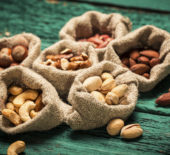
- Greek yoghurt with fruit and nuts
- Eggs on wholegrain toast
- Chicken or tofu with vegetables and rice
- A smaller portion of a balanced meal
- A smoothie containing milk or yoghurt, fruit and other nutrient-dense ingredients
- A nutritious snack between meals when meals are difficult to finish
The right approach will depend on your appetite, symptoms and nutritional requirements.
Don’t forget fibre
Fibre can easily fall by the wayside when overall food intake decreases.
If someone is eating much smaller portions and cutting back substantially on wholegrains, fruit, vegetables, legumes, nuts and seeds, their fibre intake can fall.
This can be particularly relevant when constipation occurs.
However, increasing fibre dramatically is not always the answer.
Some people taking GLP-1 medications experience bloating, nausea, reflux or early fullness, and suddenly increasing fibre may make these symptoms worse.
Fibre needs to be considered alongside fluid intake, food tolerance, bowel habits and individual symptoms.
A dietitian can help determine what type and amount of fibre is appropriate rather than simply recommending “eat more fibre.”
Managing nausea, constipation and other gastrointestinal symptoms
Gastrointestinal side effects are common considerations with GLP-1 medications.
Depending on the person and medication, these can include:
- Nausea
- Vomiting
- Constipation
- Diarrhoea
- Bloating
- Reflux
- Abdominal discomfort
- Early fullness
These symptoms can make it even harder to maintain adequate nutrition.
Nutrition strategies may include adjusting meal size, meal frequency, food texture, fat content, fibre intake, fluid intake and the timing of meals.
There is no single GLP-1 diet that works for everyone.
For example, the advice that helps someone experiencing constipation may be very different from what works for someone experiencing significant nausea or diarrhoea.
Persistent or severe symptoms should also be discussed with your prescribing healthcare professional.
Constipation: why fibre matters
Constipation is a common problem for people taking GLP-1 medications. Reduced food intake, changes in gut motility and eating smaller portions can all contribute to bowel movements becoming less frequent or more difficult to pass. This is where fibre becomes particularly important. Fibre from foods such as vegetables, fruit, wholegrains, legumes, nuts and seeds can help support healthy bowel function and stool consistency.
However, simply adding large amounts of fibre isn’t necessarily the answer. If your appetite is already reduced, suddenly increasing fibre can contribute to bloating, discomfort or feeling excessively full. Fibre should therefore be increased gradually and alongside adequate fluid intake, with the type and amount tailored to your individual symptoms and dietary intake.
For some people experiencing significant constipation, additional strategies may also be needed and should be discussed with their healthcare professional. A dietitian can help you find the right balance so that constipation is addressed without making it even harder to meet your nutritional needs while taking a GLP-1 medication.
What about muscle loss?
This is one of the most important reasons I believe dietetic support should be considered alongside GLP-1 medication.
Weight loss can involve some loss of lean mass.
Research on incretin-based medications has raised concerns about loss of muscle mass and function during substantial weight reduction, particularly where energy intake falls rapidly. Maintaining adequate protein intake and participating in resistance training are among the key strategies recommended to help preserve muscle.
This is particularly important because muscle isn’t simply about appearance.
Muscle contributes to:
- Strength
- Mobility
- Physical independence
- Exercise capacity
- Glucose metabolism
- Functional health as we age
Losing body fat while maintaining as much muscle and physical function as possible is a much more meaningful goal than simply achieving the lowest possible number on the scales.
Resistance training matters too
Nutrition is only one part of preserving muscle.
Resistance training provides an important stimulus for the body to maintain muscle tissue during weight loss.
This might include:
- Weight training
- Resistance machines
- Resistance bands
- Bodyweight exercises
- Other appropriately prescribed strength exercises
The right program depends on your health, fitness, age, injuries and abilities.
The goal is not necessarily to become a competitive weightlifter.
It is about giving your muscles a reason to stay strong while your body weight is changing.
What about vitamins and supplements?
A smaller appetite does not automatically mean you need a multivitamin or a cupboard full of supplements.
Instead, the first step is to look at your actual dietary intake and individual risk factors.
If there is a suspected deficiency or increased nutritional requirement, your doctor or dietitian can determine whether blood testing, dietary changes or supplementation is appropriate.
Taking multiple supplements “just in case” isn’t necessarily the best approach.
Food should generally remain the foundation where possible, while supplements can have a role when clinically indicated.
GLP-1 treatment should be more than a prescription
A medication can be an important part of obesity treatment.
But medication doesn’t teach you how to build a balanced diet around your changing appetite.
It doesn’t necessarily tell you how much protein you need.
It doesn’t assess whether your fibre intake has fallen too low.
It doesn’t create a strategy for managing constipation.
And it doesn’t automatically protect your muscle mass.
This is where multidisciplinary care can be so valuable.
The 2025 joint advisory on nutritional priorities for GLP-1 therapy specifically recommends comprehensive nutritional assessment and highlights registered dietitian counselling as a supportive strategy alongside pharmacological treatment.
What can a dietitian help with?
Dietetic support can be tailored to where you are in your GLP-1 journey.
Before starting medication
A dietitian can help establish your baseline:
- What are you currently eating?
- Are you already meeting your protein requirements?
- How much fibre are you consuming?
- Are there nutritional gaps?
- What are your usual meal patterns?
- Are there gastrointestinal issues?
- What foods do you enjoy?
- What barriers make healthy eating difficult?
This provides a useful starting point.
During dose changes
As appetite and gastrointestinal symptoms change, your nutritional needs and food tolerance may change too.
Your dietitian can help adjust your eating pattern rather than leaving you to figure it out alone.
During active weight loss
The focus can shift towards maintaining:
- Protein adequacy
- Nutrient density
- Fibre
- Hydration
- Muscle and physical function
- Appropriate energy intake
- A sustainable relationship with food
During weight maintenance
Weight maintenance is another important phase.
The goal isn’t simply to reach a target weight and stop thinking about nutrition.
It is about developing an eating pattern that can be maintained alongside your ongoing medical treatment and lifestyle.
Don’t let “eating less” become “eating poorly”
This is perhaps the most important message.
GLP-1 medication can make it easier to eat less.
But eating less is not automatically the same as eating well.
If your appetite has reduced significantly, every meal and snack becomes an opportunity to provide the nutrients your body needs.
The focus should be on nutritional quality, not simply nutritional quantity.
That means asking:
Am I getting enough protein?
Am I eating enough fruit and vegetables?
Am I getting enough fibre?
Am I meeting my micronutrient needs?
Am I drinking enough?
Am I maintaining my strength and physical function?
Are gastrointestinal side effects interfering with my nutrition?
These questions are much more useful than simply asking, “How much weight have I lost?”
Take Home Message
GLP-1 medications can be an effective and valuable part of weight-management treatment for many people.
But successful treatment should not be measured by kilograms lost alone.
The goal should be to improve health while losing excess body fat — not to lose weight at the expense of nutrition, muscle, strength, function or quality of life.
Reduced appetite can make it harder to meet nutritional requirements, while gastrointestinal symptoms can further complicate eating. Weight loss can also involve loss of lean tissue, making adequate protein intake, resistance exercise and nutritional adequacy important considerations.
This is why dietetic support can be such a valuable part of GLP-1 treatment.
Don’t just aim for weight loss. Aim for healthy weight loss.
Ready to make your GLP-1 journey more nourishing?
At Feed Your Future Dietetics, I provide individualised, evidence-based nutrition support to help you make the most of your GLP-1 treatment.
Your nutrition plan should be based on you — your appetite, food preferences, lifestyle, nutritional requirements, gastrointestinal symptoms, health goals and stage of treatment.
Rather than simply telling you what foods you “should” and “shouldn’t” eat, we can work together to ensure that the food you are eating is helping support your health while your weight changes.
If you’re taking a GLP-1 medication and want to make sure your weight loss doesn’t come at the expense of your nutrition or health, book a consultation with Feed Your Future Dietetics today.
Consultations are available via telehealth across Australia, making individualised dietetic support accessible wherever you are.
Feed Your Future Dietetics — because weight loss should never mean losing sight of your health.
References
- Mozaffarian D, et al. Nutritional Priorities to Support GLP-1 Therapy for Obesity: A Joint Advisory From the American College of Lifestyle Medicine, the American Society for Nutrition, the Obesity Medicine Association, and the Obesity Society. American Journal of Lifestyle Medicine. 2025.
- Mozaffarian D, et al. Nutritional Priorities to Support GLP-1 Therapy for Obesity: A Joint Advisory From the American College of Lifestyle Medicine, the American Society for Nutrition, the Obesity Medicine Association, and the Obesity Society. American Journal of Clinical Nutrition. 2025.
- Strategies for minimizing muscle loss during use of incretin-mimetic drugs for treatment of obesity. 2024.
- Lean Mass and Musculoskeletal Preservation in GLP-1-Based Obesity Treatment: Nutrition, Exercise, Supplementation, and Monitoring Strategies. 2026.
- Mogna-Peláez P, et al. Avoiding Malnutrition in the Era of Glucagon-Like Peptide-1 Medications: Emerging Evidence and Opportunities for Integrated Nutrition Care. Journal of Nutrition. 2026.
- Nutritional, functional, and psychological considerations for incretin-based therapies in adults—an EASO, EFAD, and ECPO Consensus Statement. 2026.