
Have you been told that you have high blood pressure?
You may already exercise regularly and do your best to eat well, yet still develop high blood pressure. This is because blood pressure is influenced by many factors, including genetics, age, medical conditions, medications, sleep, stress, alcohol intake, sodium intake and overall dietary pattern.
High blood pressure, also known as hypertension, usually has no obvious symptoms, but over time it can increase your risk of cardiovascular disease, heart attack, stroke, kidney disease and other health problems.
The good news is that nutrition can play an important role in managing blood pressure.
And you don’t necessarily need to approach this by creating a long list of foods you are “not allowed” to eat.
Instead, let’s focus on what you can add to your diet.
These five nutrition additions can help support a heart-healthy eating pattern.
1. Add More Potassium-Rich Foods
Potassium is an essential mineral that helps your nerves, muscles and heart function normally.
It also helps reduce the effects of sodium on blood pressure. Increasing potassium intake from food has been shown to reduce blood pressure, particularly in people with elevated blood pressure or higher sodium intakes.
Importantly, low potassium doesn’t simply mean that there is too much sodium in your body. Rather, potassium and sodium have complementary roles in fluid balance and blood pressure regulation.
Rather than relying on potassium supplements, the preferred approach is to obtain potassium from a variety of foods.
Good food sources include:
- Bananas and other fruit
- Potatoes and sweet potatoes
- Tomatoes
- Leafy green vegetables
- Avocado
- Beans and lentils
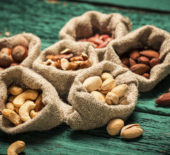
- Nuts and seeds
- Dairy foods
- Fish such as salmon
A simple way to increase potassium is to add an extra serve of fruit or vegetables to a meal rather than focusing on what you need to remove.
Important: people with kidney disease or certain medical conditions may need individual advice about potassium intake, particularly if taking medicines that increase potassium levels.
2. Add Magnesium-Rich Foods
Magnesium is an essential mineral involved in many processes throughout the body, including normal muscle and nerve function.
Magnesium is also involved in the regulation of blood vessel tone and blood pressure.
Research suggests that magnesium supplementation may produce a small reduction in blood pressure, with greater effects seen in some people with hypertension or low magnesium status. However, magnesium is not a replacement for proven blood pressure treatments, and more magnesium is not necessarily better.
A food-first approach is a great place to start.
Good sources of magnesium include:
- Nuts such as almonds and cashews
- Seeds such as pumpkin and chia seeds
- Wholegrain bread and cereals
- Oats
- Brown rice and other wholegrains
- Legumes
- Tofu
- Leafy green vegetables
For example, adding pumpkin seeds to your breakfast, choosing wholegrain bread or including legumes at dinner can increase your magnesium intake while also adding fibre and other nutrients.
3. Add Calcium-Rich Foods
Calcium is best known for supporting strong bones and teeth, but it also plays important roles in normal muscle and nerve function, including the normal contraction of the heart.
Research has found associations between calcium intake and blood pressure, while clinical trials of calcium supplementation have generally shown only modest effects.
This means the goal isn’t to take calcium supplements simply to lower your blood pressure.
Instead, focus on meeting your normal calcium requirements through a balanced diet.
Good sources include:
- Milk
- Yoghurt
- Cheese
- Calcium-fortified soy milk
- Calcium-set tofu
- Almonds
- Green leafy vegetables
- Canned sardines with bones
- Canned salmon with edible bones
Choosing calcium-rich foods also gives you the opportunity to obtain other important nutrients, such as protein.
4. Add Nitrate-Rich Vegetables
This is a particularly interesting area of nutrition research.
Certain vegetables contain naturally occurring dietary nitrates. Your body can convert dietary nitrate into nitric oxide, a compound involved in regulating blood vessel relaxation.
When blood vessels relax and widen, blood can flow more easily through them.
Research involving nitrate-rich foods and beetroot juice suggests that dietary nitrate can reduce blood pressure in some people. Recent research in adults with hypertension found that beetroot juice providing nitrate was associated with a reduction in clinical systolic blood pressure, although the certainty of the evidence was low and the studies used specific doses and products.
So, rather than thinking of beetroot juice as a treatment, consider nitrate-rich vegetables as one useful addition to an overall healthy diet.
Nitrate-rich vegetables include:
- Beetroot
- Rocket
- Spinach
- Lettuce
- Kale
- Chinese cabbage
- Fennel
- Radishes
Try adding rocket or spinach to sandwiches and salads, roasting beetroot with dinner, or adding leafy greens to soups, curries and stir-fries.
5. Add More Fibre-Rich Plant Foods and Fermented Foods
Your gut microbiome is another area being investigated in relation to blood pressure.
The microorganisms living in your digestive system interact with your diet and produce compounds that can influence metabolism, inflammation and other processes throughout the body.
Research into probiotics and blood pressure is promising but still developing. Some meta-analyses have found small reductions in blood pressure with probiotic supplementation, but the effects vary according to the microorganism, dose and duration of treatment.
This is important because not every fermented food is a probiotic.
A probiotic has a specific scientific definition: a live microorganism that, when consumed in an adequate amount, provides a health benefit.
Some fermented foods contain live microorganisms, but this doesn’t automatically make them probiotic foods.
Start with fibre-rich plant foods
Fibre-rich foods include:
- Fruit
- Vegetables
- Wholegrains
- Lentils
- Chickpeas
- Beans
- Nuts
- Seeds
These foods provide fibre that can be used by many microorganisms in the gut and also contribute potassium, magnesium and other nutrients that support a heart-healthy diet.
What about fermented foods?
Depending on how they are made and processed, some fermented foods may contain live microorganisms.
Examples include:
- Yoghurt containing live cultures
- Kefir
- Some traditionally fermented vegetables such as kimchi and sauerkraut
- Tempeh
- Natto
There is no need to force yourself to eat a particular number of fermented foods every day.
Instead, include fermented foods you enjoy as part of a varied diet.
Also remember that some fermented foods, particularly kimchi, sauerkraut and miso, can be relatively high in sodium. If blood pressure is your focus, check the nutrition information and consider lower-sodium options where available.
Don’t Forget Sodium
This blog is about what you can add, because adding nutritious foods can be a much more positive way to approach nutrition than simply creating a list of restrictions.
However, when it comes to blood pressure, sodium deserves special attention.
Eating too much sodium can increase blood pressure, and reducing sodium intake is one of the most well-established dietary strategies for lowering blood pressure.
For adults, the World Health Organization recommends less than 2,000 mg of sodium per day, equivalent to less than 5 g of salt.
You don’t need to eliminate salt completely.
Instead, look for practical ways to reduce your sodium intake, such as:
- Choosing lower-sodium packaged foods
- Comparing nutrition panels when shopping
- Using herbs, spices, garlic, lemon and other flavours instead of relying heavily on salt
- Choosing no-added-salt canned foods where practical
- Limiting highly salted processed foods
- Checking the sodium content of sauces, stocks and condiments
In Australia, food labels list sodium, making it easier to compare products.
Think Bigger Than Individual Nutrients
Although this blog focuses on individual dietary additions, blood pressure is not controlled by one mineral or one “superfood”.
The strongest evidence supports an overall heart-healthy dietary pattern, such as the DASH (Dietary Approaches to Stop Hypertension) eating pattern.
DASH emphasises:
- Vegetables
- Fruit
- Wholegrains
- Legumes
- Nuts and seeds
- Fish and other lean protein foods
- Low-fat dairy foods
It also reduces sodium and foods high in saturated fat and added sugars.
This combination naturally increases nutrients such as potassium, calcium, magnesium and fibre.
In other words, you don’t need to construct your diet around five individual nutrients.
The foods work together as part of an overall eating pattern.
What Could This Look Like in Everyday Life?
Breakfast
- Rolled oats
- Milk or calcium-fortified soy milk
- Banana
- Chia seeds
- Berries
Lunch
- Wholegrain wrap
- Tinned salmon
- Spinach and rocket
- Tomato
- Avocado
- Hummus
Snack
- Yoghurt containing live cultures
- Fruit
- A small handful of unsalted nuts
Dinner
- Grilled salmon or tofu
- Brown rice or quinoa
- Broccoli
- Beetroot
- Leafy greens
- Extra virgin olive oil
These meals provide a mixture of potassium, magnesium, calcium, fibre and plant compounds while contributing to an overall heart-healthy dietary pattern.
Take Home Message
If you have high blood pressure, nutrition changes don’t have to mean creating a long list of foods you can no longer eat.
Instead, start by asking:
“What can I add?”
Adding more vegetables, fruit, wholegrains, legumes, nuts, seeds and other nutrient-rich foods can help increase your intake of potassium, magnesium, calcium and fibre.
Nitrate-rich vegetables and some fermented foods can also be included as part of a varied diet, although the evidence for their direct blood-pressure-lowering effects is less established than the evidence for overall dietary patterns, potassium intake and sodium reduction.
Most importantly, there is no single food that will fix high blood pressure.
A consistent, balanced eating pattern, regular physical activity, appropriate medical care and other healthy lifestyle habits all work together.
And if medication has been prescribed for your blood pressure, nutrition changes should complement—not replace—your medical treatment.
How Feed Your Future Dietetics Can Help
Managing high blood pressure can feel overwhelming, particularly when you’re surrounded by online advice telling you to cut out entire food groups or follow restrictive diets.
At Feed Your Future Dietetics, I help you make practical, evidence-based nutrition changes without unnecessary food rules or restriction.
Together, we can look at your current eating pattern and identify realistic additions, substitutions and meal ideas that support your blood pressure while still fitting your preferences, lifestyle and health goals.
With over 10 years of experience supporting Australians with their nutrition and health goals, Feed Your Future Dietetics provides individualised dietetic support Australia-wide via Telehealth using Zoom or Microsoft Teams.
To learn more or book an appointment:
ashleigh@feedyourfuturedietetics.com
References
- World Health Organization. Reducing sodium intake to reduce blood pressure and risk of cardiovascular diseases in adults. 2023.
- World Health Organization. Increasing potassium intake to reduce blood pressure and risk of cardiovascular diseases in adults. 2023.
- American College of Cardiology/American Heart Association Joint Committee on Clinical Practice Guidelines. 2025 AHA/ACC/AANP/AAPA/ABC/ACCP/ACPM/AGS/AMA/ASPC/NMA/PCNA/SGIM Guideline for the Prevention, Detection, Evaluation and Management of High Blood Pressure in Adults. Circulation. 2025.
- European Society of Cardiology. 2024 ESC Guidelines for the Management of Elevated Blood Pressure and Hypertension. European Heart Journal. 2024.
- Argeros Z, Xu X, Bhandari B, et al. Magnesium Supplementation and Blood Pressure: A Systematic Review and Meta-Analysis of Randomized Controlled Trials. Hypertension. 2025;82:1844–1856.
- Sweazea KL, Johnston CS, Miller B, Gumpricht E. Nitrate-rich fruit and vegetable supplementation and blood pressure. Journal of Nutrition and Metabolism. 2018;2018:1729653.
- Effects of beetroot juice on blood pressure in hypertension: systematic review and meta-analysis. Nutrition, Metabolism and Cardiovascular Diseases. 2024.
- Effects of probiotics supplementation on blood pressure: an umbrella meta-analysis of randomized controlled trials. Clinical Nutrition. 2023.
- Gibson GR, Hutkins R, Sanders ME, et al. Expert consensus document: The International Scientific Association for Probiotics and Prebiotics consensus statement on the definition and scope of prebiotics. Nature Reviews Gastroenterology & Hepatology. 2017.
- Hill C, Guarner F, Reid G, et al. The International Scientific Association for Probiotics and Prebiotics consensus statement on the scope and appropriate use of the term probiotic. Nature Reviews Gastroenterology & Hepatology. 2014.
- Aljuraiban SA, Gibson R, Chan DSM, et al. The role of diet in the prevention of hypertension and management of blood pressure: an umbrella review of meta-analyses of interventional and observational studies. Advances in Nutrition. 2024.
- Cochrane. Dietary Approaches to Stop Hypertension (DASH) for the primary and secondary prevention of cardiovascular diseases. Evidence current to May 2024.