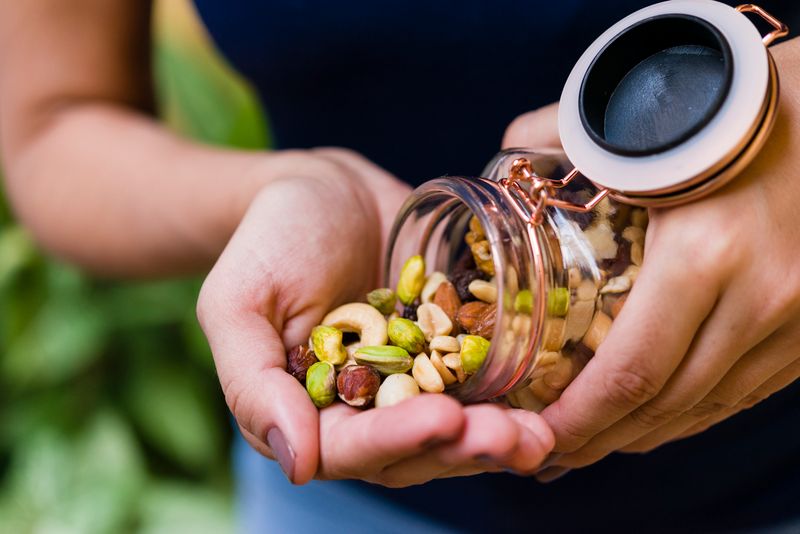

Snacking has always been a normal part of eating. A snack can be a useful way to manage hunger between meals, provide extra nutrition, or simply be something enjoyable to eat.
But there is a growing trend I call “snackification” — when snacks gradually start replacing proper meals.
Instead of sitting down to breakfast, lunch or dinner, you may find yourself grazing throughout the day on small amounts of food. A handful of crackers here, a yoghurt there, a protein bar in the afternoon and perhaps some toast or fruit later on.
It can feel like you are eating all day, yet you may still feel unsatisfied or struggle to meet your nutritional needs.
Why does snackification happen?
There are lots of reasons.
Busy schedules, work demands, caring responsibilities, low appetite, food preferences, sensory sensitivities and simply not having the energy to prepare a meal can all contribute.
For some people, eating smaller amounts more frequently is actually the most comfortable way to eat.
The issue isn’t that snacks are “bad”.
The question is whether your overall eating pattern is providing your body with what it needs.
Snacks and meals are not necessarily the same thing
One of the biggest differences between a balanced meal and a typical snack is the combination of foods and nutrients.
A meal will generally provide several different food groups and nutrients, including:
- Protein
- Carbohydrates
- Vegetables or fruit
- Healthy fats
- Fibre
- Important vitamins and minerals
A snack may only provide one or two of these.
For example, an apple is nutritious, but it may not be enough to keep you satisfied for several hours.
Likewise, a packet of crackers might provide carbohydrate but little protein or fibre.
This doesn’t make either food a poor choice. It simply means they may work better when combined with other foods.
Think about “mini meals”
If traditional meals don’t work well for you, you don’t necessarily need to force yourself into eating three large meals every day.
Instead, think about mini meals.
A mini meal can be made by combining two or three foods to create something more nutritionally complete.
For example:
Instead of:
Fruit
Try:
Fruit + Greek yoghurt + nuts or seeds
Instead of:
Crackers
Try:
Crackers + cheese + vegetables
Instead of:
Toast
Try:
Toast + eggs + avocado
Instead of:
A muesli bar
Try:
Muesli bar + yoghurt + fruit
These combinations can help turn a quick snack into something that provides more protein, fibre, energy and overall nutrition.
An example day of eating
Here’s an example of how you could structure a day to help meet your average nutritional needs while still keeping things simple.
This isn’t a prescribed meal plan and individual requirements vary, but it demonstrates how snacks and meals can work together.
Breakfast
Porridge with:
- Rolled oats
- Milk
- Banana or berries
- Peanut butter
- Chia seeds
This provides carbohydrates, protein, fibre, healthy fats, calcium and a range of vitamins and minerals.
Morning snack
Greek yoghurt + fruit
Choose a yoghurt you enjoy and add your favourite fruit.
Lunch
Easy chicken and salad wrap
- Wholegrain wrap
- Chicken
- Salad vegetables
- Avocado
- Cheese or hummus
Add a piece of fruit if you’re still hungry.
Afternoon snack
Crackers + cheese + vegetables
For example, wholegrain crackers with cheese, cucumber and cherry tomatoes.
Dinner
Easy beef, tofu or chicken bowl
- Rice or another grain
- Your choice of protein
- 2–3 types of vegetables
- Avocado or another source of healthy fat
- A simple sauce or dressing
Evening snack, if hungry
Toast + peanut butter
or
Fruit + yoghurt
or
Cereal + milk
Notice that snacks haven’t been removed.
Instead, they are being used strategically to complement meals and help meet your nutritional needs.
Easy “mini meal” ideas
If you struggle with preparing full meals, try keeping a few combinations on hand.
No-cook ideas
- Greek yoghurt + fruit + nuts
- Wholegrain crackers + cheese + fruit
- Wholegrain toast + avocado + boiled egg
- Cottage cheese + crackers + tomato
- Hummus + pita bread + vegetable sticks
- Tuna + crackers + salad
- Cereal + milk + banana
- Peanut butter toast + fruit
Quick supermarket options
You don’t need to cook everything from scratch.
Some easy combinations include:
Rotisserie chicken + microwave brown rice + frozen vegetables
Pre-made soup + wholegrain toast + cheese
Tinned tuna + microwave brown rice or quinoa+ salad
Frozen vegetables + ready-to-eat chicken + microwave grain pouch
Greek yoghurt + fruit + muesli + nuts
These can be particularly useful on days when energy, time or motivation is limited.
“Grazing” can sometimes make it harder to notice hunger
When you are constantly eating small amounts, it can become difficult to recognise your usual hunger and fullness cues.
You might find yourself thinking:
“I’ve been eating all day, so why am I still hungry?”
Sometimes the answer is that the foods being eaten aren’t providing enough of the nutrients or energy your body needs.
For example, repeatedly choosing small carbohydrate-based snacks may provide quick energy but leave you wanting more soon afterwards.
Adding a source of protein, healthy fat or fibre can often make the eating experience more satisfying.
There is nothing wrong with snacks
This is important.
Snacks are not the problem.
A snack can be an incredibly useful part of a healthy eating pattern.
You might need a snack because:
- You have a long gap between meals.
- You exercise.
- You have a smaller appetite.
- You need additional energy or nutrition.
- You prefer eating smaller amounts more frequently.
- You are hungry!
Food doesn’t need to fit neatly into the categories of “meal” or “snack” to be nutritious.
A sandwich can be lunch — or it can be a snack.
A bowl of cereal can be breakfast — or it can be a mini meal later in the day.
The goal isn’t to eliminate snacks. It’s to make sure your overall eating pattern works for you.
So, are you eating meals or just snackifying?
If you regularly find yourself grazing throughout the day, take a moment to consider:
Am I actually satisfied?
Am I getting enough protein?
Am I eating enough fruit and vegetables?
Am I getting enough fibre?
Am I including a variety of foods?
Do I have enough energy to get through my day?
If the answer to some of these is no, it may be worth looking at how you can build more substantial meals or mini meals into your day.
And if traditional meals don’t work for you, that’s okay too.
Nutrition doesn’t have to look like three perfect meals a day.
It is about finding a way of eating that is nutritious, enjoyable, realistic and sustainable for you.
Need help finding an eating pattern that works for you?
At Feed Your Future Dietetics, I provide individualised, person-centred nutrition support designed around your needs, preferences and everyday life.
With over 10 years of experience, I have supported people with a wide range of nutrition needs and understand that there is no single “perfect” way to eat.
Feed Your Future Dietetics was voted one of the best dietitians in Canberra in 2025 by Region Locally Grown and voted the Best Nutritionist in South Canberra, ACT by Quality Business Awards.
Whether you struggle with appetite, meal structure, sensory differences, neurodivergence, eating difficulties or simply don’t know how to put together balanced meals, personalised dietetic support can help you find practical strategies that actually work for you.
Feed Your Future Dietetics provides Telehealth consultations Australia-wide.
Get in touch to find out how personalised dietetic support could help you feel more confident with food and nutrition.