
Many foods marketed as “healthy” are often seen as foods you can eat in unlimited amounts without thinking twice. Social media, wellness culture, and food marketing can sometimes create the impression that if a food is nutritious, portion sizes no longer matter.
However, even healthy foods can be easy to overeat.
It is also important to note that everyone is different, and this is general nutrition advice. Some people like those needing to put on weight, those who currently have restricted diets and ability to tolerate a range of foods may be limited and athletes may need more of each food group.
For the general population, this does not mean these foods are bad or should be avoided. In fact, many of them provide important nutrients and can absolutely be part of a balanced diet. The issue is often that people underestimate how energy dense some healthy foods can be or rely on them without considering overall balance and fullness.
Here are some common “healthy foods” people often secretly overeat.
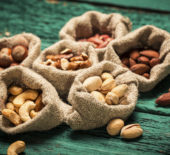
Nuts
Nuts are highly nutritious and contain healthy fats, fibre, vitamins, and minerals. They can support heart health and make a great snack option.
However, nuts are also energy dense, meaning small portions can contain a large amount of energy. It is very easy to go from a small handful or 30g serve, to eating several handfuls while distracted at work, watching television, or snacking from a large packet.
This does not mean you should avoid nuts. They are still a healthy food. Pairing nuts with other foods such as fruit or yoghurt can sometimes help create a more balanced and satisfying snack.
Granola
Granola is often marketed as a health food, but many varieties can contain large amounts of added sugars, oils, and energy in relatively small portions.
Because granola is often viewed as healthier than cereal, people may pour much larger serves without realising it. Some café-style granola bowls can contain more energy than people expect, particularly when combined with sweetened yoghurt, nut butter, dried fruit, and honey.
A wholegrain serve of granola is 1/4 cup. Compare this to oats which 1/2 cup is a serve, or 2/3rd of a cup for flake cereal or 2 Weetbix. Pairing granola with protein-rich foods such as Greek yoghurt can help make breakfasts more balanced and filling.
Smoothies
Smoothies can absolutely be nutritious, especially when they include ingredients such as fruit, yoghurt, oats, or nut butter. However, smoothies can also become very energy dense without being particularly filling.
Drinking calories is often less satisfying than eating whole foods because liquids are digested more quickly and may not provide the same fullness signals.
Large smoothies containing multiple fruits, juice, protein powders, nut butters, and sweeteners such as added sugar like honey, can sometimes provide far more energy than people realise.
Adding protein and fibre while keeping portions balanced may help improve fullness.
Avocado
Avocado is rich in healthy monounsaturated fats, fibre, and nutrients such as potassium. It is a nutritious food that can absolutely be included in a balanced diet.
However, social media trends often encourage very large serves. Smashed avocado on toast topped with feta, eggs, seeds, and oils can quickly become much larger than intended. It may be handy to note that 50-75g or around 1/4 of an avocado is a serve of fruit.
Again, this does not make avocado unhealthy. It simply highlights that healthy foods still contribute to overall energy intake.
Protein Bars
Protein bars are often promoted as healthy snacks, but many are highly processed and can contain similar or greater amounts of energy, fat (sometimes more saturdated), or sugar as regular chocolate snack bars.
Some people rely on protein bars multiple times a day believing they are automatically healthy due to the word “protein” on the packaging.
While protein bars can occasionally be convenient, they are not necessarily superior to simple snack options such as yoghurt, fruit, nuts, or toast.
Dried Fruit
Dried fruit still contains nutrients and fibre, however the portion size becomes much smaller once water is removed. 30g or 4 apricot halves or 1.5 tablespoons of sultanas or 2 dried dates is a serve of fruit. This makes it easy to eat large amounts very quickly.
For example, eating several handfuls of dried mango or sultanas may feel lighter than eating multiple pieces of fresh fruit, despite providing concentrated sugars and energy.
Pairing dried fruit with nuts or yoghurt may help create a more balanced snack.
Healthy eating is not about avoiding nutritious foods or obsessing over portions. It is about understanding balance and recognising that foods can still be nutritious while also being energy dense.
Take Home Message
Healthy foods are still healthy foods, but that does not mean portion sizes no longer matter. Foods such as nuts, granola, smoothies, avocado, protein bars, and dried fruit can all be nutritious while also being easy to overeat. Building balanced meals and snacks that include protein, fibre, and appropriate portions can help support fullness and overall nutrition.
At Feed Your Future Dietetics, the focus is on practical and realistic nutrition advice without guilt, restriction, or food fear.
Feed Your Future Dietetics was also voted one of the best dietitians in Canberra for 2025 by Region Canberra.
If you would like support with nutrition, gut health, sports nutrition, or building a healthier relationship with food, Feed Your Future Dietetics can help.
Contact Ashleigh at Feed Your Future Dietetics via email at ashleigh@feedyourfuturedietetics.com to learn more or book an appointment.