
A healthy breakfast is often promoted as the “most important meal of the day,” but what happens when your carefully chosen breakfast leaves you searching the pantry by 10am?
If you feel hungry not long after breakfast despite choosing foods marketed as healthy, you are definitely not alone. Many common breakfast options are low in the nutrients that actually help keep you full and satisfied. While they may look healthy on the surface, they can leave you running low on energy and reaching for snacks shortly after eating.
Here are some reasons why your “healthy” breakfast may not be keeping you full.
Your Breakfast Is Too Low in Protein
Protein is one of the most important nutrients for fullness. It slows digestion and helps keep blood sugar levels more stable, which can help prevent the quick energy crash that often leads to mid-morning hunger.
Many breakfast foods people consider healthy are actually very low in protein. Examples include:
- Plain toast
- Fruit alone
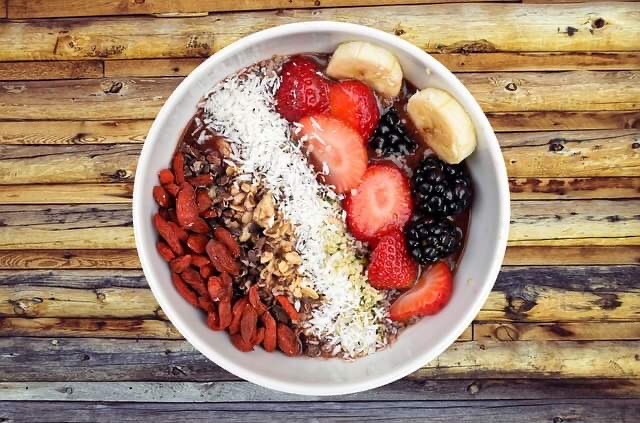
- Smoothie bowls
- Low-protein cereals
- Pastries marketed as “healthy”
- Granola with plant milk only
While these foods can absolutely fit into a balanced diet, they may not provide enough staying power on their own.
Try adding:
- Greek yoghurt
- Eggs
- Milk
- Protein-rich soy products
- Nut butter
- Cottage cheese
- Chia seeds
Even small additions can make a noticeable difference to fullness levels throughout the morning.
Your Breakfast Is Mostly Fast-Digesting Carbohydrates
Carbohydrates are not bad. In fact, they are your body’s preferred energy source. However, some breakfasts contain mostly refined or fast-digesting carbohydrates without enough fibre, protein, or fat to balance them out.
This can sometimes lead to a quicker spike and drop in energy levels, leaving you feeling hungry sooner.
Examples may include:
- Sugary cereals
- White toast with jam
- Muffins
- Some café smoothies
- Breakfast bars
A more balanced breakfast may include carbohydrates paired with protein, healthy fats, and fibre.
For example:
- Oats with yoghurt and berries
- Wholegrain toast with eggs and avocado
- Weet-Bix with milk and nuts
- Smoothies with yoghurt, oats, and chia seeds
Your Breakfast Looks Healthy but Isn’t Actually Filling
Marketing can make foods seem healthier than they really are. Terms like:
- “Natural”
- “Low-fat”
- “High protein”
- “Gluten free”
- “No added sugar”
do not automatically mean a food will keep you full.
Some breakfast products are very small portions or highly processed despite their health-focused branding. A tiny yoghurt pouch or muesli bar may simply not be enough food for your body, especially if you have a busy morning, exercise regularly, or are on your feet all day.
Sometimes the issue is not that you are “overeating later.” It may simply be that your breakfast was not substantial enough to begin with.
You’re Trying to Eat “Too Healthy”
Many people unintentionally make breakfast too restrictive. They may avoid carbohydrates, fats, or larger portions in an attempt to eat “clean” or “light.”
The result? Hunger appears quickly, energy drops, concentration suffers, and cravings often increase later in the day.
A satisfying breakfast should not leave you thinking about food all morning.
Eating enough at breakfast can actually help support:
- Better concentration
- More stable energy
- Improved mood
- Reduced cravings
- Better overall nutrition intake throughout the day
The Goal Isn’t Perfection
There is no single perfect breakfast. Everyone’s needs are different depending on factors like activity levels, appetite, schedule, medical conditions, and personal preferences.
However, a breakfast that includes a combination of:
- Protein
- Fibre-rich carbohydrates
- Healthy fats
will generally help keep you fuller for longer compared to a breakfast made up mostly of refined carbohydrates alone.
Sometimes small changes are all that is needed to make a big difference in how you feel throughout the morning.
Take Home Message
A “healthy” breakfast is not always a balanced breakfast. Including enough protein, fibre, healthy fats, and overall food volume can help support fullness and more stable energy levels throughout the morning. If you are constantly hungry by 10am, your breakfast may simply not be meeting your body’s needs.
If you would like support with nutrition, gut health, sports nutrition, or building a healthier relationship with food, Feed Your Future Dietetics can help.
Contact Ashleigh at Feed Your Future Dietetics via email at ashleigh@feedyourfuturedietetics.com to learn more or book an appointment.