
When people think about high-protein foods, chicken is often the first thing that comes to mind. While chicken can absolutely be part of a healthy diet, it is not the only way to meet your protein needs. Relying on the same protein source every day can also become repetitive and make meals feel less enjoyable.
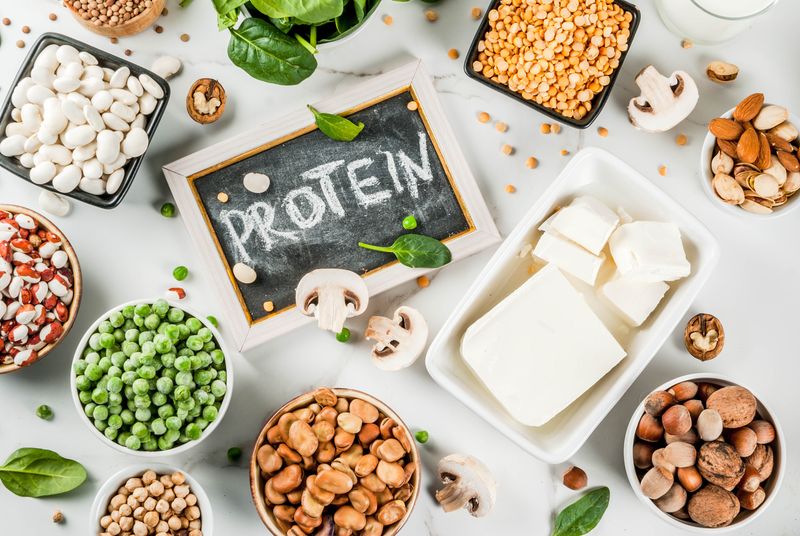
Protein is important for many functions within the body including muscle repair and growth, immune function, hormone production, and helping support fullness after meals. Including a variety of protein sources can also help increase your intake of different nutrients and make meals more interesting.
Here are seven high-protein foods that are not chicken.
1. Greek Yoghurt
Greek yoghurt is one of the easiest high-protein foods to include in your diet. It can provide significantly more protein than regular yoghurt and is also a good source of calcium.
Greek yoghurt can be used as:
- A quick breakfast
- A snack
- A smoothie ingredient
- A substitute for sour cream
- A base for dips
Pairing Greek yoghurt with fruit, nuts, or oats can help create a balanced and filling meal or snack.
2. Eggs
Eggs are a convenient and affordable source of protein that contain a range of important nutrients including vitamin B12, choline, and selenium.
They are also extremely versatile and can be included in:
- Toast toppings
- Omelettes
- Salads
- Fried rice
- Sandwiches
- Muffins
Despite old nutrition myths, eggs can absolutely fit into a healthy balanced diet for most people.
3. Tofu
Tofu is often underestimated when it comes to protein. Made from soybeans, tofu is a plant-based protein source that can absorb flavours well and work in a wide range of meals.
Tofu can be added to:
- Stir fries
- Curries
- Salads
- Noodle dishes
- Wraps
- Soups
It is also a useful option for people wanting to include more plant-based meals in their routine.
4. Cottage Cheese
Cottage cheese has become increasingly popular, particularly on social media, due to its high protein content. While not everyone enjoys the texture on its own, it can be incorporated into many meals and snacks.
Examples include:
- Spread on toast
- Mixed into pasta dishes
- Added to smoothies
- Used in baking
- Paired with fruit
Cottage cheese can help increase protein intake without requiring large portions.
5. Lentils
Lentils are a nutritious plant-based protein source that also provide fibre, iron, and carbohydrates for energy. They are generally affordable and can help make meals more filling.
Lentils work well in:
- Soups
- Curries
- Salads
- Pasta sauces
- Burrito bowls
Including legumes such as lentils regularly may also support gut health due to their fibre content.
6. Tuna
Tuna is a convenient protein option that requires very little preparation. Tinned tuna can be useful for quick lunches or easy meals when time is limited.
Tuna can be added to:
- Sandwiches
- Salads
- Pasta
- Rice bowls
- Wraps
- Baked potatoes
Choosing tuna in springwater may reduce added oil intake depending on your preferences and nutritional needs.
7. Edamame
Edamame are young soybeans that provide both protein and fibre. They can be eaten on their own as a snack or added to meals for extra nutrition.
Edamame can be included in:
- Salads
- Stir fries
- Grain bowls
- Noodle dishes
They are also a convenient option for people looking for plant-based protein choices.
Protein does not need to come from chicken alone. Including a variety of protein sources can help improve meal variety, increase nutrient intake, and make eating more enjoyable. Both animal and plant-based proteins can play a role in a balanced diet.
Take Home Message
There are many high-protein foods beyond chicken that can support a healthy balanced diet. Including a variety of protein sources such as eggs, Greek yoghurt, tofu, lentils, tuna, cottage cheese, and edamame can help support fullness, nutrition intake, and meal variety.
At Feed Your Future Dietetics, the focus is on practical and realistic nutrition advice that fits into your lifestyle without unnecessary restriction.
Feed Your Future Dietetics was also voted one of the best dietitians in Canberra for 2025 by Region Canberra.
If you would like support with nutrition, gut health, sports nutrition, or building a healthier relationship with food, Feed Your Future Dietetics can help.
Contact Ashleigh at Feed Your Future Dietetics via email at ashleigh@feedyourfuturedietetics.com to learn more or book an appointment.