Seed oils have become a hot topic in the health world, often surrounded by confusion and mixed messages. You may have heard they’re “inflammatory” or should be avoided altogether. But the reality is far more balanced — and far less alarming.
Let’s take a step back, look at the evidence, and break down where seed oils actually fit into a healthy diet.
What Are Seed Oils?
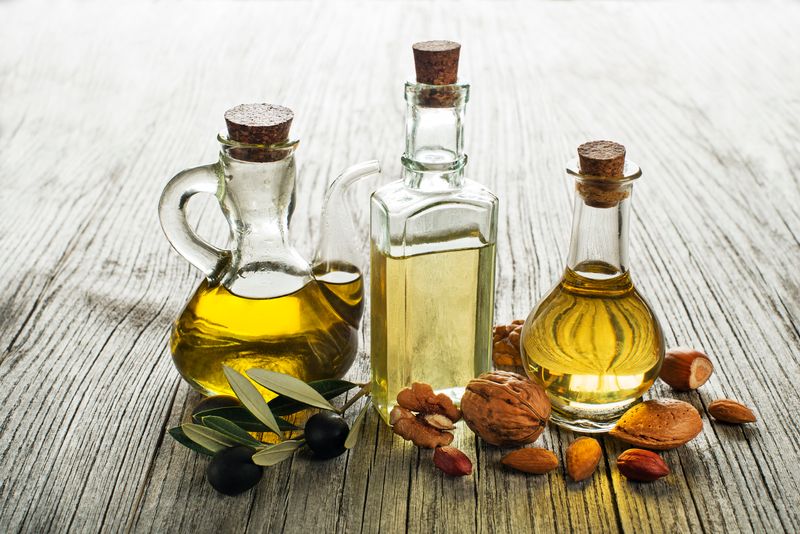
Seed oils are oils extracted from plant seeds. Common examples include:
-
Sunflower oil
-
Canola oil
-
Soybean oil
-
Sesame oil
-
Grapeseed oil
They are widely used in cooking, food production and home kitchens due to their versatility and neutral flavour.
The Concern: Are Seed Oils Inflammatory?
A lot of the concern around seed oils comes from their content of omega-6 fatty acids. While it’s true that omega-6 fats can play a role in inflammatory pathways, this doesn’t mean they cause inflammation in the body when consumed as part of a balanced diet.
In fact, research shows that omega-6 fats can support heart health and do not increase inflammation when eaten in appropriate amounts. The bigger issue is not seed oils themselves, but overall dietary patterns — particularly diets high in ultra-processed foods and low in whole, nutrient-dense foods.
The Benefits of Seed Oils
Seed oils can absolutely have a place in a healthy diet. They offer:
1. Heart-Healthy Fats
Many seed oils are rich in polyunsaturated fats, which can help lower LDL (bad) cholesterol when they replace saturated fats in the diet.
2. Source of Essential Fatty Acids
Omega-6 fatty acids are essential, meaning the body cannot produce them and they must come from food.
3. Versatility and Accessibility
Seed oils are often:
-
Affordable
-
Easy to cook with
-
Suitable for a range of cooking methods
This makes them a practical option for everyday use.
What About Coconut Oil?
Coconut oil is often marketed as a “health food,” but it’s important to look at the nutrition profile.
Coconut oil is very high in saturated fat — even higher than butter. Diets high in saturated fat are associated with increased LDL cholesterol, which is a risk factor for heart disease.
While coconut oil can still be enjoyed occasionally, it’s not the superior everyday oil it is often made out to be.
Where Does Extra Virgin Olive Oil Fit?
Extra virgin olive oil remains the gold standard when it comes to everyday fats.
It is rich in:
-
Monounsaturated fats, which support heart health
-
Antioxidants, which help reduce oxidative stress and inflammation
This is why it is a key component of dietary patterns like the Mediterranean diet.
So… Should You Avoid Seed Oils?
No. Seed oils are not something most people need to fear or eliminate.
Instead, a balanced approach works best:
-
Use extra virgin olive oil as your primary oil where possible
-
Include a variety of fats in your diet
-
Limit excessive intake of highly processed foods
-
Focus on overall dietary patterns rather than single ingredients
Seed oils can still “stand strong” as part of a healthy, balanced way of eating — especially when they are used in place of saturated fats.
Take Home Message
Nutrition doesn’t need to be extreme to be effective. Seed oils are not the enemy, and removing them completely is not necessary for most people. The focus should be on balance, variety and choosing mostly whole, nutrient-rich foods.
Extra virgin olive oil remains a top choice due to its heart health benefits and antioxidant content, but seed oils still have a valuable place in a healthy diet.
If you’re unsure about what fats are right for your health goals, personalised advice can make all the difference.
At Feed Your Future Dietetics, we support individuals and families to cut through nutrition confusion and build practical, evidence-based eating habits. If you’d like tailored guidance, reach out to Feed Your Future Dietetics and start feeding your future with confidence.