
If you’ve been told you have high cholesterol, it’s easy to feel like all cholesterol is something to avoid. In reality, your body actually needs cholesterol to function well.
Cholesterol plays important roles in:
- Building cell membranes
- Producing vitamin D
- Making bile acids to help digest fats
- Supporting hormone production
The issue isn’t cholesterol itself — it’s having too much of the wrong types.
Low-density lipoprotein (LDL) cholesterol and high triglycerides can build up in your blood vessels over time, increasing the risk of heart attack and stroke. High-density lipoprotein (HDL) cholesterol, on the other hand, helps remove excess cholesterol from the bloodstream.
The goal is not to eliminate cholesterol, but to create a healthy balance.
Simple Food Swaps to Support Healthy Cholesterol
Improving your cholesterol doesn’t mean giving up the foods you enjoy. Small, consistent swaps can make a big difference.
1. Swap coconut oil for extra virgin olive oil
Fat is still an important part of a healthy diet — it’s the type that matters.
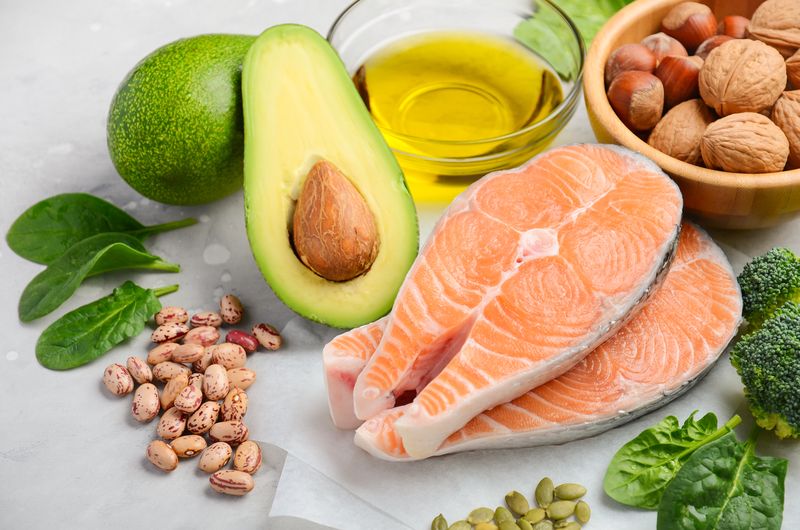
Coconut oil is extremely high in saturated fat — even more than butter — which can raise LDL cholesterol. Extra virgin olive oil is rich in monounsaturated fats, which support heart health and can help improve cholesterol levels.
2. Swap refined cereals for oats or plant sterol Weet-Bix
Refined carbohydrates can raise triglyceride levels.
Oats contain soluble fibre called beta-glucan, which helps remove cholesterol from the body. Plant sterol-enriched cereals can also help reduce LDL cholesterol by limiting how much is absorbed.
3. Swap butter for avocado or plant sterol margarine
Butter is another source of saturated fat.
Avocado provides healthy fats that support heart health. If avocado isn’t your preference, plant sterol margarine is a practical alternative. Like all fats, portion size still matters.
4. Swap a donut for a handful of nuts
Highly processed foods high in sugar and trans fats can negatively impact cholesterol.
Nuts contain healthy fats, fibre, and plant compounds that support heart health. They can also help keep you full between meals.
5. Swap some red meat for seafood
You don’t need to cut out red meat completely, but moderating intake can help.
It is recommended to limit red meat (including pork) to no more than 350–500g of cooked weight per week to help reduce the risk of certain cancers, including colorectal cancer.
Seafood provides omega-3 fats, which support heart health by helping to lower triglycerides and support healthy cholesterol levels. Aim for 2–3 serves of seafood per week.
Easy, Heart-Healthy Recipes
Creamy Banana Oats
A simple breakfast that supports cholesterol levels and keeps you full.
Ingredients:
- ½ cup rolled oats
- 1 cup low-fat milk
- 1 banana, sliced
- 1 tablespoon chopped nuts
- Sprinkle of cinnamon
Method:
- Cook oats with milk until creamy
- Top with banana, nuts, and cinnamon
This meal provides soluble fibre and healthy fats to support cholesterol management.
Avocado & Tomato Wholegrain Crackers
A quick snack or light meal that swaps saturated fats for heart-healthy options.
Ingredients:
- 4–6 wholegrain crackers
- ½ avocado, mashed
- Sliced tomato
- Pepper and lemon juice
Method:
- Spread mashed avocado over crackers
- Top with tomato slices
- Add pepper and a squeeze of lemon
This is a simple way to include healthy fats and fibre in your day.
Salmon & Quinoa Bowl
An easy dinner packed with nutrients that support heart health.
Ingredients:
- 100g salmon fillet
- 1 cup cooked quinoa
- 1–2 cups mixed vegetables (e.g. spinach, broccoli, capsicum)
- 1 tablespoon extra virgin olive oil
Method:
- Cook salmon (grill, bake, or pan-fry)
- Serve with quinoa and vegetables
- Drizzle with olive oil
This meal provides omega-3 fats, fibre, and a balance of nutrients to support overall health.
Take Home Message
Having high cholesterol doesn’t mean you need to give up enjoying food. Small, realistic changes — like choosing healthier fats, increasing fibre, and including more whole foods — can have a meaningful impact on your heart health.
Consistency is key, and every positive change adds up over time.
Need Personalised Support?
At Feed Your Future Dietetics, we provide practical, individualised nutrition support to help you improve your cholesterol and overall health in a way that fits your lifestyle.
With over 10 years of experience, we focus on realistic strategies that go beyond generic advice.
If you’re ready to take the next step, reach out via email: ashleigh@feedyourfuturedietetics.com