
Moving out of home for the first time is a huge milestone. It often comes with excitement, independence, and relief — but also a lot of hidden challenges. For neurodivergent people, changes to routine, environment, sensory input, and responsibility can make eating regularly and well much harder than expected.
Nutrition doesn’t need to become another overwhelming task on an already full plate. The goal is not to cook perfectly, eat “clean,” or suddenly enjoy every food. The goal is to eat consistently, meet basic nutrition needs, and reduce daily stress so your energy and wellbeing are supported while you adjust to living independently.
Start With Structure, Not Perfection
When routines change, eating is often one of the first things to fall apart. Skipping meals, forgetting to eat, or relying on the same foods repeatedly is common — especially when executive functioning is stretched.
A simple structure can help:
-
Aim for 3 meals and 1–2 snacks, but flexibility matters
-
Anchor meals to existing routines (after waking, before work, after getting home)
-
Keep food visible and easy to access
Eating something regularly is far more important than eating the “right” thing.
Build Meals Around a Simple Framework
Instead of thinking in terms of restrictive food rules, use a gentle framework that supports energy and fullness.
A helpful meal base includes:
-
A wholegrain (not just “a carb”) – examples: brown rice, quinoa, wholegrain bread, wholegrain wraps, oats, wholemeal pasta, or barley
-
A protein source – meat, eggs, dairy, legumes, or tofu
-
Some produce – fruit or vegetables
-
Fats for satisfaction – oils, nuts, seeds, or spreads
This doesn’t need to be fancy. For example:
-
Wholegrain toast + eggs + avocado
-
Brown rice + tinned tuna + frozen vegetables
-
Wholemeal pasta + jar sauce + lentils
Wholegrains are particularly helpful for steady energy, digestion, and keeping you full for longer — which can reduce the mental load of needing to eat again soon.
Choose Foods That Match Your Energy, Not Your Ideal
On low-energy days, cooking may be unrealistic. That doesn’t mean nutrition goes out the window.
Low-effort options can still be balanced:
-
Wholegrain microwave rice + baked beans
-
Wholegrain crackers + cheese + fruit
-
Frozen meals with added frozen vegetables
-
Yoghurt with fruit and nuts
-
Tinned soup with wholegrain bread
If chopping, cooking, or washing up feels like too much — that’s information, not failure. Adjust the food to fit your capacity.
Sensory Comfort Matters
For many neurodivergent people, food texture, temperature, smell, and predictability affect whether eating feels manageable.
Helpful strategies include:
-
Repeating safe foods often
-
Keeping textures consistent
-
Separating foods on the plate if needed
-
Using the same brands or formats
-
Eating foods at preferred temperatures
Nutrition only counts if the food is actually eaten. Comfort and safety with food are valid priorities.
Stock Your Kitchen for Real Life
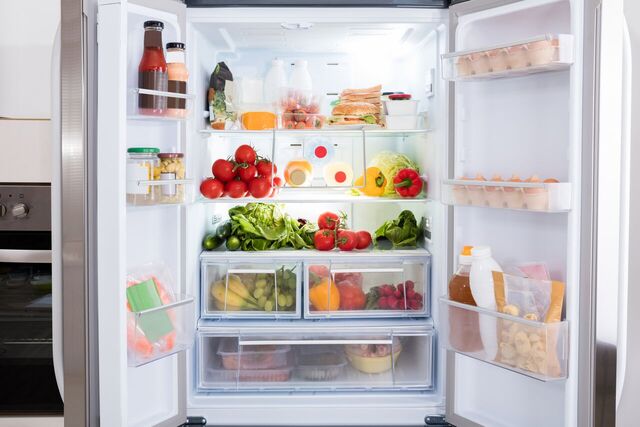
When moving out, a well-stocked kitchen doesn’t need to be full — it needs to be functional.
Useful staples include:
-
Wholegrain bread, wraps, or rice
-
Tinned beans, chickpeas, lentils, tuna
-
Eggs
-
Cheese or dairy alternatives
-
Frozen vegetables and fruit
-
Sauces you already like
-
Snacks you will actually eat
This makes it easier to assemble meals without decision fatigue.
Forget “Cooking Properly”
Cooking doesn’t have to mean recipes, timing, or multiple steps. It can simply mean combining foods.
Examples:
-
Toast + toppings
-
Bowl meals
-
Tray bakes
-
One-pan meals
-
Microwave + add-ons
Feeding yourself is a skill — not a moral test.
Practical Meal and Snack Ideas
-
Breakfast: Wholegrain toast + nut butter + banana
-
Lunch: Wholemeal pasta salad with tuna, cherry tomatoes, and olive oil
-
Dinner: Brown rice + roasted vegetables + chicken or tofu
-
Snack: Roasted chickpeas, cheese and fruit, or yoghurt with berries
These examples are simple, flexible, and designed to be realistic for a busy first-time independent lifestyle.
Support From Feed Your Future Dietetics
Starting independent life doesn’t mean you need to navigate nutrition alone. Feed Your Future Dietetics has been supporting neurodivergent individuals since 2016 and was voted one of the best dietitians in Canberra in 2025. They provide person-centred consultations, working with the whole community around you to support progress toward nutrition goals.
Consultations are all via Telehealth/Zoom, so it doesn’t matter where you live in Australia — the dietitian can support you with tailored advice for your lifestyle, energy levels, and sensory preferences.
Whether you need strategies for simple meal prep, balanced snacks, or developing sustainable routines, Feed Your Future Dietetics can guide you every step of the way.
Make Independent Eating Easier
Moving out for the first time can feel overwhelming, but nutrition doesn’t need to be. With practical planning, structure, and guidance, you can eat in a way that fuels your energy, supports mental wellbeing, and keeps your days manageable.
Let Feed Your Future Dietetics help you build routines and meal strategies that actually work for your lifestyle. Reach out today and feel confident that your nutrition is working for you, not against you — no matter where you live in Australia.