If you’ve ever felt unsure about eating seafood because of mercury, you’re not alone. There’s a lot of mixed messaging out there — and for many people, especially women, it can lead to avoiding seafood altogether.
The problem? That approach can mean missing out on some incredibly important nutrients.
This blog breaks down how to eat seafood safely and confidently, without unnecessary fear.
First, What Is Mercury?
Mercury is a naturally occurring element found in the environment. In seafood, it appears as methylmercury, which can accumulate in fish over time.
Generally:
- Larger, long-living fish = higher mercury
- Smaller, shorter-living fish = lower mercury
That’s why not all seafood is equal when it comes to mercury levels.
Why Seafood Is Still Important
Before cutting seafood out, it’s important to understand what you’d be missing.
Seafood provides:
- Omega-3 fats (important for heart and brain health)
- High-quality protein
- Iodine (critical for thyroid function)
- Vitamin D
- B12
For pregnant women, omega-3 fats (especially DHA) play a key role in baby’s brain and eye development.
Avoiding seafood completely can actually do more harm than good if these nutrients aren’t replaced.
The Reality: Risk vs Benefit
The key is balance — not avoidance.
For most people, including pregnant women:
- The benefits of eating seafood outweigh the risks when choosing lower-mercury options
- Mercury concerns mainly apply to high-mercury fish eaten frequently
Lower vs Higher Mercury Seafood
Lower Mercury (safe to include regularly)
- Salmon (fresh or tinned)
- Sardines
- Tuna (especially light/skipjack varieties, in moderation)
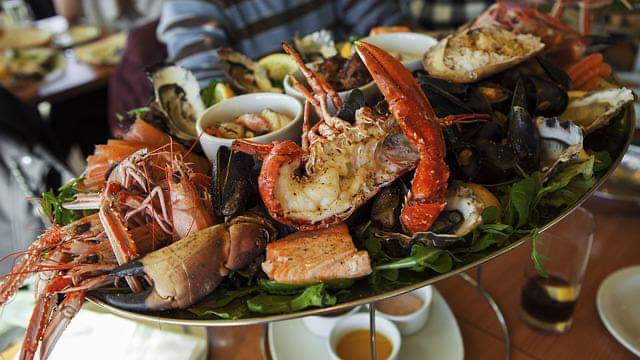
- Prawns
- White fish like basa or hoki
Higher Mercury (limit intake)
- Shark (flake)
- Swordfish
- Marlin
- Orange roughy
You don’t need to avoid these completely — just limit how often you have them.
Practical Guidance for Women
Women, particularly those who are pregnant, planning pregnancy, or breastfeeding, are often given stricter advice — but this can sometimes be misinterpreted as “avoid seafood.”
A more helpful approach is:
- Aim for 2–3 serves of low-mercury seafood per week
- Choose a variety of options
- Limit high-mercury fish
A Simple, Reassuring Example
If no other seafood is consumed, one 95g tin of salmon in springwater per day is considered safe during pregnancy.
This can be a practical, affordable, and low-risk way to meet nutrient needs — especially for those who feel unsure about seafood choices.
Common Misconceptions
“All seafood is high in mercury”
Not true. Most commonly eaten seafood in Australia is low in mercury.
“It’s safer to avoid seafood altogether”
This can increase the risk of missing key nutrients, particularly omega-3 fats and iodine.
“Tinned fish is worse than fresh”
Tinned fish like salmon and sardines are typically low in mercury and highly nutritious.
Easy Ways to Include Seafood Safely
- Add tinned salmon to salads or wholegrain crackers
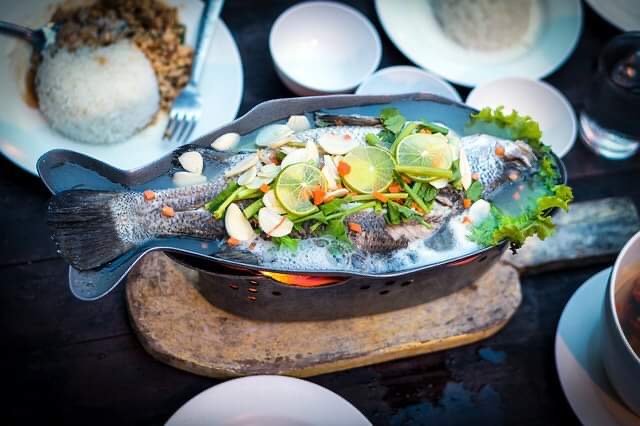
- Include grilled fish with vegetables for dinner
- Use canned tuna or salmon in sandwiches or wraps
- Try sardines on toast with avocado
Keeping it simple often makes it easier to stay consistent.
Reducing Fear Around Food
Nutrition advice can sometimes feel overwhelming — especially during pregnancy or when trying to “do the right thing.”
But food shouldn’t feel scary.
A helpful way to think about it:
- Focus on patterns over time, not perfection
- Choose lower-mercury options more often
- Avoid extremes like completely cutting out nutritious foods
Take Home Message
Mercury in seafood is something to be aware of — but not something to fear.
By choosing mostly low-mercury options and eating a variety of seafood, you can safely enjoy the benefits without unnecessary stress.
For women, including those who are pregnant, simple choices like regularly including salmon can support both your health and your baby’s development.
Seafood is not something to avoid — it’s something to include wisely and confidently.
Need Support?
At Feed Your Future Dietetics, we understand how confusing nutrition advice can feel — especially when it comes to balancing safety and nutrition.
With over 10 years of experience, we provide practical, evidence-based guidance tailored to your needs, including support during pregnancy and beyond.
If you’d like personalised advice or reassurance around your nutrition, reach out today:
ashleigh@feedyourfuturedietetics.com