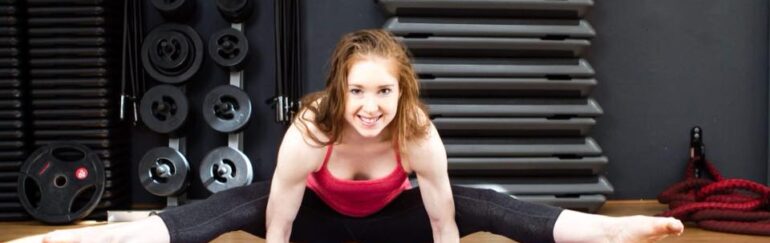
Double training days are common in gymnastics, particularly during competition season, skill progression phases, or squad training. While they are essential for technical development, they place significant physical and mental demands on the body. Without adequate nutrition, gymnasts may experience declining performance in the second session, slower recovery, increased injury risk, and ongoing fatigue.
Nutrition on double training days is not about eating “more” for the sake of it — it’s about fueling at the right times to support energy availability, muscle repair, concentration, and long-term health. Strategic fueling allows gymnasts to train consistently and sustainably rather than relying on willpower to push through fatigue.
Understanding Energy Demands in Gymnastics
Gymnastics relies heavily on:
-
Muscle glycogen (stored carbohydrate) for explosive skills, tumbling, vault, and conditioning
-
Fast reaction time and focus for skill execution and safety
-
Repeated high-intensity efforts, often with limited rest
When training twice in one day, glycogen stores can become depleted if they are not replenished between sessions. This can lead to:
-
Heavier legs and reduced power
-
Poor coordination or slower skill execution
-
Increased perceived effort
-
Difficulty concentrating
-
Higher injury risk
This is why carbohydrate timing becomes just as important as total intake across the day.
2–3 Hours Before Training: The Foundation Meal
A meal eaten 2–3 hours before training provides the backbone for performance. At this point, digestion time allows for a balanced meal without stomach discomfort.
Key components:
-
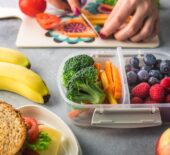
Carbohydrate: Primary fuel source (wholegrains, rice, pasta, potatoes)
-
Protein: Supports muscle repair and reduces muscle breakdown
-
Low-to-moderate fat: Avoid very high-fat meals close to training
-
Produce: Micronutrients and antioxidants support recovery
Examples:
-
Chicken, rice, and vegetables with olive oil
-
Pasta with lean mince and tomato-based sauce
-
Oats with milk, banana, and yoghurt
-
Wrap with falafel, salad, and hummus
This meal should feel satisfying but not heavy.
60 Minutes Before Training: Energy Top-Up
At around 60 minutes before training, the goal shifts to topping up blood glucose rather than providing a full meal.
Focus:
-
Easily digested carbohydrates
-
Minimal fibre, fat, and protein
Examples:
-
Banana with honey
-
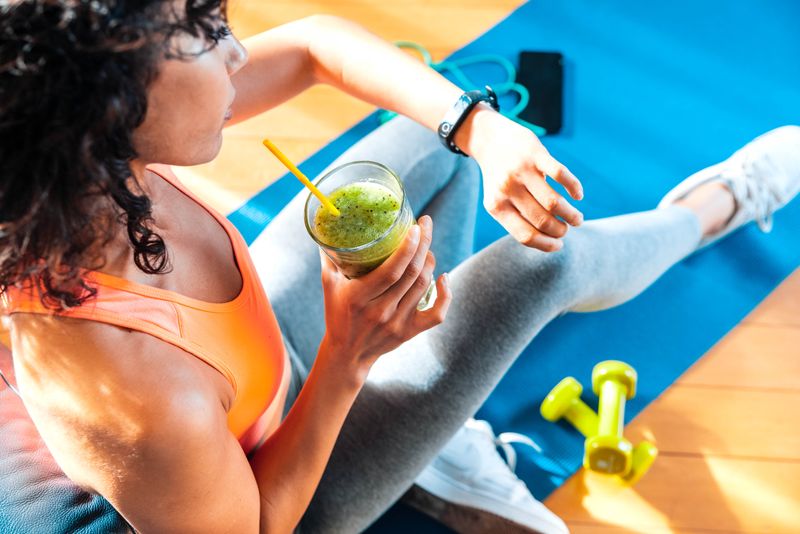
Smoothie with fruit and yoghurt
-
Wholegrain toast with jam
-
Rice cakes with honey
This snack helps delay fatigue and supports sustained intensity, particularly for longer sessions.
30 Minutes Before Training: Quick Carbohydrate
When training follows closely after another session, or appetite is low, small amounts of fast-acting carbohydrates can make a noticeable difference.
Options:
-
Fresh fruit
-
Dried fruit
-
Sports drink
-
Carbohydrate chews or gels (if tolerated)
These provide readily available fuel without gastrointestinal discomfort.
Intra-Training Fueling: When and Why It Matters
For sessions lasting longer than 75–90 minutes, especially at moderate to high intensity, intra-training fueling can help maintain performance.
Benefits:
-
Maintains blood glucose
-
Delays fatigue
-
Preserves technical quality late in sessions
Options:
-
Sports drinks
-
Diluted fruit juice
-
Carbohydrate gels
Not every gymnast needs intra-training fuel, but it can be valuable during longer conditioning blocks or intense training camps.
Between Sessions: Recovery Is Not Optional
The time between sessions is one of the most critical windows of the day.
Recovery nutrition should include:
-
Carbohydrates to restore glycogen
-
Protein to support muscle repair (roughly 15–25 g depending on age and size)
Practical recovery options:
-
Chocolate milk
-
Greek yoghurt with fruit
-
Smoothie with milk and banana
-
Tuna or egg sandwich
-
Rice bowl with lean protein
If there is less than 4–6 hours between sessions, this recovery intake becomes essential — not optional.
After the Second Session: Rebuild and Refuel
After the final session of the day, a balanced meal helps:
-
Complete glycogen restoration
-
Support muscle adaptation
-
Prepare the body for the next training day
Dinner should include:
-
A carbohydrate base (rice, pasta, potatoes, bread)
-
Lean protein
-
Vegetables
-
Adequate fluids
Skipping or under-eating at this stage can lead to cumulative fatigue across the week.
Hydration and Electrolytes
Fluid losses increase on double training days. Even mild dehydration can reduce coordination, power output, and concentration.
Practical hydration tips:
-
Start training already hydrated
-
Sip fluids regularly between sessions
-
Include electrolytes if sweat losses are high
-
Monitor urine colour as a rough hydration guide
Energy Availability and Long-Term Health
Consistently under-fueling on double training days increases the risk of low energy availability, which can contribute to:
-
Fatigue
-
Recurrent injuries
-
Hormonal disruption
-
Delayed recovery
-
Reduced training adaptations
Adequate fueling supports both performance now and health long-term.
Final Takeaway
Double training days demand a proactive approach to nutrition. Fueling 2–3 hours before training, topping up energy closer to sessions, prioritising recovery between sessions, and supporting hydration all work together to keep gymnasts performing well and recovering effectively.
For personalised guidance around training schedules, recovery needs, and performance nutrition, Feed Your Future Dietetics provides evidence-based support tailored to athletes. Feed Your Future Dietetics understands the unique demands of gymnastics and helps athletes fuel confidently without unnecessary restriction.
If you want to optimise energy, recovery, and consistency across training days, Feed Your Future Dietetics can help build a nutrition strategy that works with your body — not against it.