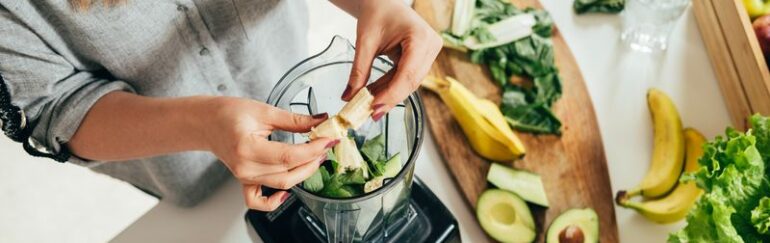
Cooking and eating for one can feel challenging. From shopping to meal prep, the tasks that seem simple for a family can feel overwhelming when you’re feeding only yourself. It’s easy to fall into patterns of relying on takeaway, packaged meals, or skipping meals altogether. However, with some planning and a few strategies, eating well as a single-person household can be straightforward, enjoyable, and nourishing.
Eating well for one is not just about preventing food waste—it’s about supporting your health, energy, and wellbeing. Eating a variety of fresh, minimally processed foods and preparing simple, flexible meals allows you to enjoy your food while meeting your nutritional needs without feeling burdened by time or cost.
Plan Ahead for Simplicity and Variety
The key to eating well for one is planning. Start by thinking about meals that are easy to prepare in single portions. Make a simple list of your favourite breakfast, lunch, dinner, and snack options. This helps when grocery shopping and reduces the temptation to order takeaway.
Batch cooking can also work in a single-person household. Cooking slightly larger portions and freezing leftovers allows you to enjoy home-cooked meals later in the week. Foods such as soups, stews, casseroles, or pasta dishes freeze and reheat well, saving both time and effort.
Shop Smart
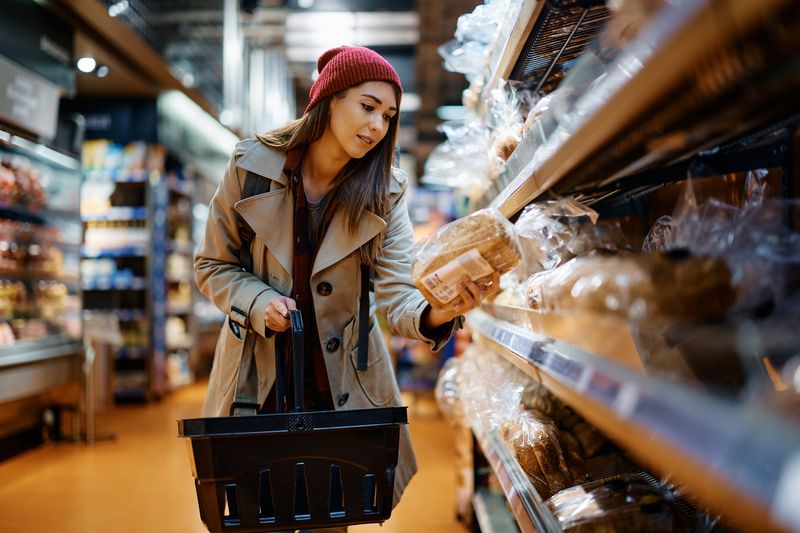
Shopping for one can feel tricky, especially with the prevalence of larger pack sizes. Look for smaller portion options, frozen vegetables, or single-serve protein sources such as eggs, yoghurt, tofu, or pre-portioned meat and fish. Frozen fruits and vegetables are just as nutritious as fresh and reduce waste.
Buying pantry staples like rice, pasta, canned beans, or canned fish ensures you always have the building blocks for a balanced meal without the pressure of consuming everything immediately.
Focus on Balanced Meals
Even when eating alone, aim to include the main components of a balanced meal:
- Protein: Eggs, dairy or dairy alternatives, lean meats, fish, tofu, legumes
- Carbohydrates: Whole grains, pasta, rice, quinoa, starchy vegetables
- Fats: Extra virgin olive oil, avocado, nuts, seeds
- Vegetables and Fruit: Fresh, frozen, or canned (preferably low-salt or unsweetened)
Including all these elements ensures meals are satisfying, nutrient-dense, and supportive of energy, mood, and overall health.
Keep Snacks Simple and Nutritious
Snacks can bridge gaps between meals and prevent overeating later. For a single-person household, easy, low-prep snacks work best. Some ideas include:
- Fresh fruit or pre-cut vegetables
- A small handful of nuts or seeds
- Greek yoghurt with berries
- Wholegrain crackers with hummus or cottage cheese
- Boiled eggs
Having pre-portioned or ready-to-eat snacks makes it easier to maintain balanced eating habits without extra stress.
Embrace Flexibility and Creativity
Eating for one allows you to tailor meals to your preferences, experiment with new foods, and try recipes you may not consider when cooking for a group. You can adjust portion sizes, spices, and ingredients freely, which can make meals more enjoyable and prevent monotony.
Using versatile ingredients like beans, lentils, eggs, frozen vegetables, and whole grains allows you to mix and match meals throughout the week, reducing waste and keeping things interesting.
Reduce Food Waste
Food waste is a common challenge for single-person households. To minimise it:
- Use your freezer for leftovers or excess ingredients
- Label and date foods to keep track
- Repurpose ingredients across multiple meals (e.g., roast vegetables can be added to salads, omelettes, or wraps)
- Be mindful of portion sizes when cooking
Being strategic about storage and planning ensures that your food lasts longer and reduces the financial burden of constantly replacing ingredients.
Quick Meal Ideas for One
To make eating well even easier, here is a table of 7 simple, single-serve meals and snacks that are nutrient-dense, easy to prepare, and include extra virgin olive oil where appropriate:
| Meal | Recipe | Key Notes |
|---|---|---|
| Breakfast 1 | Overnight oats with fruit and seeds: ½ cup rolled oats, ½ cup milk or plant-based milk, 1 tsp chia seeds, ½ cup mixed berries, 1 tsp honey | Can prepare the night before; provides protein, fibre, and antioxidants |
| Breakfast 2 | Avocado toast with boiled egg: 1 slice wholegrain bread, ½ avocado, 1 boiled egg, drizzle of extra virgin olive oil, sprinkle of pepper | Quick, high in healthy fats, protein, and fibre |
| Lunch 1 | Grain bowl with beans and roasted vegetables: ½ cup cooked quinoa, ½ cup roasted vegetables, ½ cup canned beans, 1 tsp extra virgin olive oil, lemon juice | Flexible with any vegetables; good source of protein and fibre |
| Lunch 2 | Tuna salad wrap: 1 wholegrain wrap, ½ can tuna (in water), 1 tsp extra virgin olive oil, salad leaves, cucumber, tomato | High in protein; easy to assemble |
| Dinner 1 | Stir-fried tofu with vegetables: 100 g tofu, 1 cup mixed vegetables, 1 tsp extra virgin olive oil, soy sauce or seasoning. Serve with ½ cup cooked rice | Quick, balanced dinner; rich in protein and micronutrients |
| Dinner 2 | Chicken and vegetable sheet pan: 100 g chicken breast, 1 cup vegetables, 1 tsp extra virgin olive oil, herbs. Roast at 180°C for 20–25 mins | Minimal prep; can cook extra vegetables for next day |
| Snack | Greek yoghurt with nuts and fruit: ¾ cup Greek yoghurt, 1 tsp mixed nuts, ½ cup chopped fruit | Provides protein, calcium, healthy fats, and fibre; ready in 2 mins |
Tips for Single-Serve Success:
- Use frozen vegetables to reduce waste and prep time
- Pre-portion snacks and ingredients to avoid overeating and make meals easier to assemble
- Batch-cook proteins like chicken, tofu, or beans, and freeze in single portions for convenience
- Include a source of protein, fibre, and healthy fats in each meal
Take Home Message
Eating well as a single person is entirely achievable with planning, flexibility, and the right strategies. Focus on balanced meals, simple snacks, smart shopping, and reducing food waste to make healthy eating sustainable and enjoyable. Cooking for one doesn’t need to be complicated—it can be an opportunity to experiment, enjoy food at your own pace, and maintain your nutritional health.it can be an opportunity to experiment, enjoy food at your own pace, and maintain your nutritional health.
If you would like personalised advice on eating well as a single person, Feed Your Future Dietetics can help. With over 10 years of experience and voted one of the best dietitians in Canberra in 2025, you’ll receive practical, evidence-based guidance tailored to your lifestyle, preferences, and goals.