When life gets busy, snacks often become whatever is quickest rather than what truly fuels the body. But with the right approach, snacks can be a powerful tool to stabilise energy levels, support muscle growth and repair, manage appetite, and improve concentration—especially on hectic days.
A simple guideline to elevate your snacking: aim for around 15 g of protein per snack. Protein helps keep you fuller for longer, supports stable blood glucose levels, and nourishes active muscles.
Alongside protein, reading food labels helps ensure snacks support your long-term health. A smart snack choice follows these nutrient benchmarks:
- Added sugar: No more than 15 g per 100 g
- Sodium: Ideally 120 mg per 100 g or less; up to 400 mg/100 g acceptable
- Total fat: Less than 10 g per 100 g
- Saturated fat: No more than 3 g per 100 g
- Milk, yoghurt, ice cream: Less than 2 g fat per 100 g
- Cheese: Less than 15 g fat per 100 g
- Fibre: At least 3 g per serve
Using these principles, here are delicious, balanced, nutrient-dense snack ideas designed to hit ~15 g of protein each—perfect for busy weekdays.
High-Protein Snack Ideas (~15 g protein)
1. Protein Hummus + Wholegrain Crackers + Vegetables
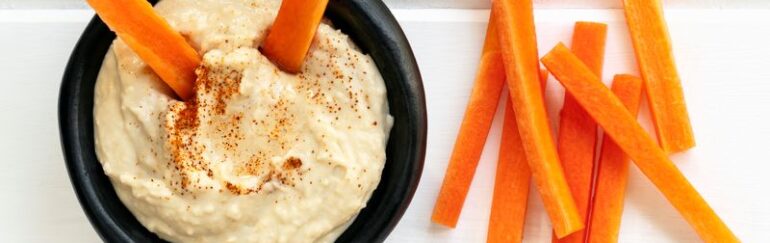
Protein hummus varieties now available in supermarkets provide an easy protein boost.
- ¼ cup high protein hummus (~9-10 g protein)
- 6 wholegrain crackers (~2–3 g protein + fibre)
- 1 cup sliced cucumber or capsicum (~1–2 g protein)
Add a boiled egg on the side if hungry → total easily reaches 15 g protein.
Choose hummus with <3 g saturated fat per 100 g.
2. Greek Yoghurt Parfait with Seeds
- ¾ cup plain high-protein Greek yoghurt (12–15 g protein)
- 1 tbsp chia seeds (2 g protein + fibre)
- Berries for colour and antioxidants
Ensure the yoghurt is low-fat and contains <3 g saturated fat per 100 g.
3. Cottage Cheese Bowl
- ½ cup cottage cheese (~14 g protein)
- Add cherry tomatoes, pepper, or a few wholegrain crackers for crunch.
Naturally low in fat and saturated fat, and high in protein.
4. Tuna and Avocado Mini Plate
- ½ small can tuna in spring water (~13–15 g protein)
- ¼ avocado
- Serve with sliced tomato or wholegrain crackers
Meets protein and fibre targets while keeping saturated fat low.
5. Edamame + Fruit
- 1 cup cooked edamame (~14 g protein + fibre)
- Add a small apple or mandarin
Naturally low in saturated fat and sodium.
6. Egg Muffins (Meal-Prep Friendly)
Make a batch for the week:
- 2 egg muffins made with eggs, spinach, and grated zucchini (~14–16 g protein total)
Use minimal cheese or none to keep saturated fat <3 g per 100 g.
7. High-Protein Smoothie
Blend:
- 1 cup reduced-fat milk (8 g protein)
- ¼ cup high-protein Greek yoghurt (5–6 g protein)
- Frozen berries + small handful oats for fibre
Keeps saturated fat low if using reduced-fat dairy.
8. Tofu Bites with Dipping Sauce
- 100 g baked tofu (~12–15 g protein)
- Serve with a low-sodium soy-ginger dressing
Topped with a small drizzle of extra virgin olive oil for healthy fats, keeping saturated fat minimal.
9. Rolled Oat Protein Balls
Combine oats, a small amount of nut butter, seeds, and protein powder.
Two small balls typically reach ~15 g protein, depending on the recipe.
Ensure nut butter and protein powder choices contain <3 g saturated fat per 100 g.
10. Reduced-Fat Cheese + Veg + Wholegrain Crackers
- 40 g reduced-fat cheese (~12–14 g protein)
- Pair with cherry tomatoes and wholegrain crackers
Choose cheese with <15 g total fat and <3 g saturated fat per 100 g.
How to Build Your Own 15 g Protein Snack
Mix and match from these categories:
Protein Sources (~10–15 g each)
- ¾ cup Greek yoghurt
- 100 g tofu
- ½ can tuna
- ½ cup cottage cheese
- 1 cup edamame
- 2 egg muffins or 2 boiled eggs
Add Fibre (3 g+ per serve)
- Veg sticks
- Wholegrain crackers
- Fruit
- Oats or chia seeds
Add Smart Fats (optional)
- Extra virgin olive oil
- Avocado
- Nut butter (small amounts, <3 g saturated fat per 100 g)
Avoid coconut oil, as it is high in saturated fat and less suitable for heart health.
Take Home Message
Snacking doesn’t have to derail your nutrition—when done intentionally, it can actually support your energy, appetite control, and overall health. Aim for 15 g protein per snack, at least 3 g fibre per serve, and keep sugar, sodium, total fat, and saturated fat within recommended limits. With preparation and mindful choices, nutritious snacks can easily fit into the busiest weekdays.
If you want personalised guidance on creating high-protein, nutrient-dense snacks or building a practical eating plan for busy schedules, Feed Your Future Dietetics can help. Reach out today to start feeling your best—one smart snack at a time.