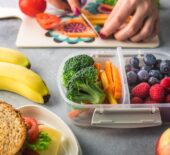

Some days, even the idea of cooking feels impossible. The fridge might be full, but the energy to plan, prepare, and clean up just isn’t there. For many neurodivergent adults and teens, this isn’t laziness — it’s executive function burnout.
When sensory overload, fatigue, or decision paralysis hit, eating can quickly shift from “something I do” to “something I can’t face.” But your body still deserves nourishment, even when your brain says, “not today.”
This post shares realistic, balanced meals for low-energy days that still give your body what it needs — a wholegrain, a lean protein or alternative, and some fruit or vegetables. Because balanced eating for neurodivergent people doesn’t have to mean complicated cooking.
💡 Why Balance Matters (Even on Low-Energy Days)
Each food group plays an important role in supporting your mental and physical health:
- Wholegrains provide steady energy and support mood and focus.
- Lean proteins or dairy alternatives help maintain muscle, hormones, and immune health.
- Fruits and vegetables provide vitamins, fibre, and antioxidants for brain and gut wellbeing.
When energy is low, it’s not about perfection — it’s about meeting your needs in a way that’s doable, kind, and flexible. Even simple, packaged, or pre-prepared foods can still make a huge difference.
🥣 10 Easy, Balanced Meals When You Have No Energy
These ideas use minimal prep and washing up — ideal for ADHD-friendly meals, autism-friendly nutrition, or anyone needing quick, healthy meals that don’t drain energy.
1. Microwave Rice Bowl
- Microwave brown rice or quinoa cup
- Add a pouch of tuna or cooked chicken
- Add frozen peas or corn (heat in the same bowl)
✅ Wholegrain + protein + vegetables
2. Toast Plate
- Wholegrain toast or English muffin
- Top with cheese, egg, or nut butter
- Add sliced fruit like banana, apple, or canned peaches
✅ Grain + protein/dairy + fruit
3. Breakfast-for-Dinner
- Scrambled or microwave eggs
- Wholegrain toast
- Add cherry tomatoes or spinach (raw or microwaved)
✅ Grain + protein + vegetable
4. Soup and Toast
- Heat a vegetable or lentil soup (fresh or canned)
- Add wholegrain toast with cheese or avocado
✅ Vegetables + protein + grain
5. Wrap It Up
- Wholegrain wrap
- Fill with hummus, chicken, or beans
- Add lettuce or grated carrot
✅ Grain + protein + vegetable
6. Snack Plate Dinner
- Wholegrain crackers
- Cheese, boiled egg, or baked beans
- Baby cucumbers, cherry tomatoes, or carrot sticks
✅ Grain + protein + vegetable
7. Yoghurt Bowl
- Greek or soy yoghurt
- Add fruit and a sprinkle of muesli or oats
✅ Dairy/protein + fruit + grain
8. Pasta Shortcut
- Cooked pasta or microwave pouch
- Add canned lentils or tuna
- Mix in frozen vegetables
✅ Grain + protein + vegetables
9. One-Bowl Microwave Meal
- Microwave grain pouch
- Add canned beans and pre-cut vegetables or salsa
✅ Wholegrain + plant protein + vegetables
10. Cereal Night
- Wholegrain cereal with milk or soy milk
- Add fruit on the side
✅ Grain + dairy + fruit
Convenience foods are tools for care, not signs of failure. Using them supports consistent eating and prevents energy crashes.
🧠 Executive Function and Food: Setting Yourself Up for Success
If cooking feels hard, try preparing a low-energy food kit — a shelf, basket, or drawer with simple items you can combine without thinking.
Include items like:
- Microwave rice cups or instant oats
- Canned tuna, salmon, beans, or lentils
- Wholegrain crackers or wraps
- Cheese slices, yoghurt, or shelf-stable soy milk
- Frozen or canned fruit and vegetables
Having foods you can eat without decision fatigue helps you stay nourished on tough days. It’s not giving up — it’s adapting with compassion.
🍽️ Nutrition Is About Kindness, Not Perfection
For neurodivergent people, the goal isn’t “perfect eating.” It’s safe, sustainable, and flexible nutrition that respects your sensory needs, routines, and energy levels. You can build variety within your own safe limits and still meet your body’s needs.
Some days you’ll add extra vegetables; other days you might rely on cereal or toast. Both can fit within a balanced, supportive way of eating.
Food is a form of self-care, not a test of discipline. Whether it’s a full meal or a few snack-based foods, you’re giving your body the energy it needs to function — and that matters.
Take-Home Message
- Balanced eating doesn’t need to be complicated.
- Focus on including a grain, a protein, and a fruit or vegetable.
- Convenience and frozen foods are valid tools.
- Eating something is always better than skipping meals.
- Nutrition that works with your brain is possible.
🌟 Need Help Making Nutrition Easier?
If you’re tired of feeling overwhelmed by food choices, or you’re ready to find nutrition strategies that actually work with your neurodivergent brain, Feed Your Future Dietetics can help.
With over 10 years of experience supporting people with neurodivergent needs, sensory food challenges, and eating disorders (including ARFID), we provide person-centred, neuroaffirming, and compassionate nutrition support — in person or via Telehealth across Australia.
📩 Reach out today to Feed Your Future Dietetics to start building a relationship with food that feels safe, realistic, and sustainable — not stressful.