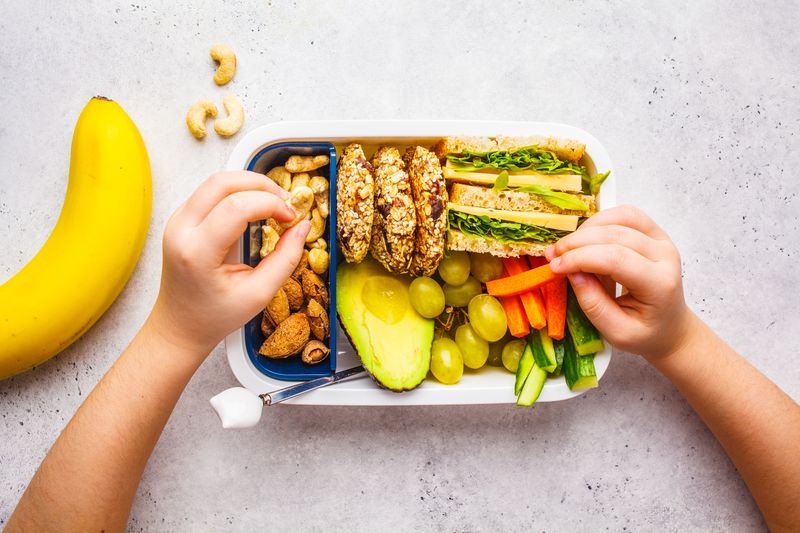

It’s a common concern for parents: your child eats well at home, but comes back from school with a lunchbox barely touched. For many neurodiverse children, this isn’t about being “fussy” or difficult — there are often very real reasons why eating at school feels challenging.
Understanding the “why” is the first step to finding supportive, practical solutions that work for your child.
1. Sensory Overload Makes Eating Hard
School environments can be loud, busy and unpredictable. For neurodiverse children, especially those with sensory sensitivities, the lunch environment can feel overwhelming.
Think:
-
Noise from other children
-
Strong smells from different foods
-
Bright lights or crowded spaces
When a child’s nervous system is already overloaded, eating may not feel safe or manageable.
2. Limited Time and Pressure
School lunch breaks are often short and structured. Children may feel rushed or distracted, especially if they prioritise play or social time.
For some neurodiverse children:
-
Transitioning from play to eating is difficult
-
They may need more time to feel ready to eat
-
Pressure from teachers or peers can reduce appetite
Eating is not always a priority when time feels limited or stressful.
3. Appetite Differences and Interoception
Some neurodiverse children have differences in interoception — the ability to recognise internal body signals like hunger and fullness.
This can mean:
-
They don’t feel hungry at typical times
-
They may forget to eat
-
Hunger cues may only appear later in the day
As a result, they may eat very little at school but feel very hungry after.
4. Food Preferences and “Safe Foods”
Many neurodiverse children rely on familiar “safe foods” — foods that feel predictable in taste, texture and appearance.
At school:
-
Preferred foods may not be packed
-
Foods may change temperature or texture (e.g. sandwiches becoming soggy)
-
Anxiety around unfamiliar foods can reduce intake
Even small changes in food presentation can impact whether a child will eat.
5. Social and Emotional Factors
Eating is a social activity at school, which can be challenging for some children.
They may:
-
Feel self-conscious about their food
-
Compare their lunch to others
-
Feel anxious in group settings
This can reduce their willingness to eat, even if they are physically hungry.
Practical Strategies to Support Eating at School
Keep It Familiar and Predictable
Pack foods your child already feels comfortable with. Repetition is okay — variety can be built slowly over time.
Focus on Energy, Not Perfection
If your child only eats a few foods at school, that’s okay. Prioritise foods that provide energy:
-
Wholegrain crackers
-
Yoghurt
-
Cheese
-
Fruit
-
Smoothies (if appropriate)
-
Simple sandwiches
Adjust Portion Sizes
Large portions can feel overwhelming. Smaller, manageable portions are often more successful.
Consider Texture and Temperature
Think about how foods change over time:
-
Use insulated containers to keep foods warm or cold
-
Choose foods that hold their texture well
-
Avoid foods that become soggy if this is a barrier
Practice at Home
Practice eating lunchbox-style foods in a low-pressure environment at home. This builds familiarity and confidence.
Allow Catch-Up Eating After School
It’s very common for children to eat more after school. Offering a substantial afternoon snack can help meet their energy needs.
Work With the School
If possible, speak with teachers about:
-
Allowing extra time to eat
-
Providing a quieter eating space
-
Gentle reminders rather than pressure
Small adjustments can make a big difference.
When to Seek Support
If your child is:
-
Consistently eating very little
-
Losing weight or not growing as expected
-
Highly anxious around food
-
Limited to a very small range of foods
It may be helpful to seek support from a dietitian experienced in working with neurodiverse children.
Take Home Message
When a neurodiverse child doesn’t eat much at school, it’s rarely about behaviour. Sensory sensitivities, time pressures, appetite differences and emotional factors all play a role. With the right support and understanding, small changes can help make eating at school feel safer and more achievable.
At Feed Your Future Dietetics, we have extensive experience supporting neurodiverse children and their families to achieve their nutrition and health goals in a realistic and compassionate way. If you’re concerned about your child’s eating, you don’t have to navigate it alone — reach out to Feed Your Future Dietetics to start building strategies that work for your child and your family.