If you pick up almost any health magazine, there’s a good chance you’ll find an ad promising a “quick detox” or a “body cleanse.” The good news—for both your wallet and your health—is you can safely keep turning the page.
Your body already comes fully equipped with a highly efficient detoxification system. Your skin, lungs, kidneys, and liver are constantly working behind the scenes to process and remove waste. What makes the biggest difference isn’t a supplement or a cleanse—it’s your everyday lifestyle choices.
So the real question is: are your habits helping your detox systems work with you, or making them work harder than they need to?
Alcohol is not a friend to your liver
Every time you drink alcohol, some liver cells are damaged. The liver is incredibly resilient and can regenerate itself, but this ability is not unlimited.
With regular or excessive intake, especially above recommended guidelines (around 2 standard drinks per day), the liver can start to store fat. This can lead to fatty liver changes—even over relatively short periods of time.
The encouraging part? In early stages, alcoholic fatty liver changes can often improve within weeks of abstaining from alcohol. However, long-term heavy intake can lead to permanent and irreversible liver damage.
A simple protective approach is to:
- Keep alcohol intake within recommended limits
- Include alcohol-free days each week
- Give your liver regular breaks to recover and repair
Eat to support liver function
A balanced diet rich in whole foods—fruits, vegetables, lean proteins, and whole grains—is already a strong foundation for liver health. On top of that, certain foods provide extra support for detoxification pathways.
Onions and garlic
These everyday staples contain sulphur compounds (allyl sulphides) that support phase I liver detoxification, helping the liver process compounds more efficiently.
Artichokes
Artichokes help stimulate bile production, which is essential for transporting waste products out of the liver and into the digestive tract for elimination. Try them grilled with olive oil, garlic, and lemon for a simple liver-friendly side.
Oats and flaxseeds
These provide both soluble and insoluble fibre. Insoluble fibre supports bowel regularity, while soluble fibre helps bind bile (which carries waste) and remove it from the body. A simple breakfast of oats, flaxseeds, milk, and banana is an easy win.
Beets
The pigments in beetroot (betalains) support phase II detoxification processes in the liver. Add them to salads with goats’ cheese, walnuts, and olive oil for a nutrient-dense meal.
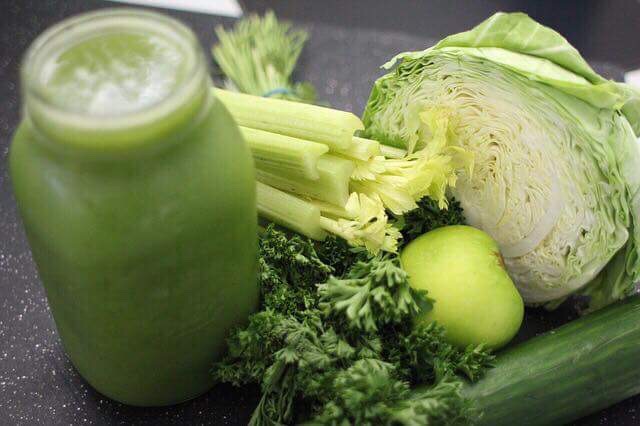
Cruciferous vegetables (broccoli, cauliflower, cabbage) + wasabi
These vegetables help activate protective enzymes involved in liver detox pathways. Adding a little wasabi can also give an extra boost to these effects while adding flavour.
Citrus oils and lemon
Citrus contains D-limonene, which supports both phase I and phase II liver detoxification processes. A squeeze of lemon over meals or fish is a simple addition with benefit.
Green tea
Green tea is rich in flavonoids that support phase II detox pathways. It’s an easy daily habit to complement a liver-supportive diet.
Take home message
You don’t need detox kits or expensive cleanses. Your body already knows what to do—you just need to support it.
Focus on:
- Limiting alcohol intake
- Eating a varied, whole-food diet
- Including liver-supportive foods regularly
- Building consistent, sustainable habits
Your liver is your largest internal organ and one of your hardest working. Looking after it isn’t about quick fixes—it’s about long-term care.
If you’d like personalised nutrition support or guidance on improving your liver health through realistic lifestyle changes, get in touch with an experience Accredited Practising Dietitian today!
Email: ashleigh@feedyourfuturedietetics.com