Move over kale smoothies and chia puddings—there’s a new hero in town, and it’s all about fibre! If you’re looking to improve gut health, support healthy digestion, reduce bloating, and even promote glowing skin, fibremaxxing is a simple and science-backed strategy you need to try.
Increasing your intake of high-fibre foods can enhance weight management, support a diverse gut microbiome, and improve overall health and wellness. With the right food choices, fibremaxxing can be convenient, enjoyable, and easy to implement.
What is Fibremaxxing?
Fibremaxxing is exactly what it sounds like: the practice of optimising your fibre intake to support gut health, digestion, metabolic function, and healthy weight management. Most adults do not reach recommended fibre levels, which range from 25–38 grams per day depending on age, gender, and activity level.
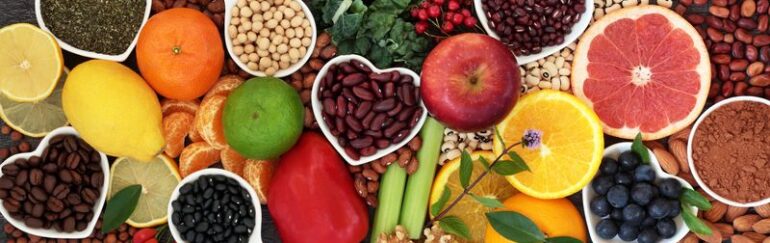
Incorporating high-fibre foods—such as whole grains, legumes, vegetables, fruits, seeds, and nuts—helps improve digestive health, supports gut microbiota diversity, and can reduce the risk of chronic diseases like heart disease and type 2 diabetes.
Fibremaxxing isn’t about drastic diet changes; it’s about making small, sustainable swaps and including fibre-rich foods consistently throughout the day.
The Types of Fibre and Their Benefits
Understanding the different types of fibre can help you maximize digestive health and overall wellness:
1. Soluble Fibre
- Characteristics: Dissolves in water to form a gel.
- Benefits: Lowers LDL (“bad”) cholesterol, regulates blood sugar, and feeds beneficial gut bacteria.
- Sources: Oats, legumes, apples, citrus fruits, chia seeds, flaxseeds.
2. Insoluble Fibre
- Characteristics: Adds bulk to stool and doesn’t dissolve in water.
- Benefits: Promotes regular bowel movements, prevents constipation, and may lower the risk of digestive disorders.
- Sources: Whole grains (brown rice, wheat bran), vegetables (carrots, cucumbers), nuts.
3. Resistant Starch
- Characteristics: Passes undigested through the small intestine and ferments in the large intestine.
- Benefits: Supports gut microbiome diversity, improves insulin sensitivity, and produces beneficial short-chain fatty acids.
- Sources: Cooked and cooled potatoes, green bananas, legumes, whole grains.
4. Fermentable Fibre
- Characteristics: Rapidly fermented by gut bacteria.
- Benefits: Supports immune function, produces short-chain fatty acids, and promotes overall digestive health.
- Sources: Inulin (onions, garlic, leeks), oligosaccharides (beans, lentils), certain gums.
Why a High-Fibre Diet Matters
A high-fibre diet offers numerous health benefits:
- Supports Gut Health: Acts as prebiotic fuel for gut bacteria, improving digestion, nutrient absorption, and immune function.
- Promotes Skin Health: The gut-skin connection means a fibre-rich diet may reduce inflammation and promote healthy, glowing skin.
- Supports Weight Management: Fibre slows sugar absorption, improves satiety, and helps control appetite.
- Boosts Heart Health: Soluble fibre binds to cholesterol and helps reduce risk of cardiovascular disease.
How to Maximise Fibre Intake
- Start Your Day with Fibre: Add oats, chia seeds, or flaxseeds to breakfast.
- Snack Smart: Include fruits, vegetables, nuts, and seeds.
- Include Legumes Daily: Lentils, chickpeas, black beans, and kidney beans.
- Choose Whole Grains: Swap refined grains for wholegrain rice, bread, and pasta.
- Incorporate Resistant Starch: Include cooled potatoes or green bananas.
- Mix Fibre Types: Combine soluble, insoluble, and resistant starches for optimal digestive health.
Fibremaxxing Meal Ideas & Snacks
| Meal | Food | Approx. Fibre |
|---|---|---|
| Breakfast | Overnight oats with chia seeds & berries | ~13 g |
| Breakfast | Avocado on wholegrain toast | ~8 g |
| Lunch | Chickpea & quinoa salad | ~11.5 g |
| Lunch | Lentil soup | ~11 g |
| Snack | Roasted chickpeas | ~6 g |
| Snack | Apple with almond butter | ~4 g |
| Snack | Carrot sticks with hummus | ~5 g |
| Snack | Handful of pumpkin seeds | ~2 g |
| Dinner | Stir-fry with tofu & vegetables | ~10 g |
| Dinner | Chili with black beans & kidney beans | ~16 g |
Tip: Spread fibre intake throughout the day and drink plenty of water to support healthy digestion and prevent bloating.
What the Research Says
Studies consistently demonstrate that high-fibre diets:
- Improve gut microbiota diversity, supporting digestion and immune function.
- Reduce inflammation, supporting skin health and overall wellness.
- Help regulate blood sugar, aiding in weight management and energy balance.
Take Home Message
Fibremaxxing is a science-backed strategy to support gut health, boost digestion, maintain a healthy weight, and improve overall wellness. By including a variety of high-fibre foods, such as vegetables, fruits, legumes, whole grains, seeds, and nuts, you can easily reach your daily fibre goals of 25–38 grams.
Gradually increase your fibre intake, mix different types, and enjoy the benefits: better digestion, glowing skin, sustained energy, and improved overall health. Small, consistent changes make a big difference in long-term wellness.
For individualized, client-centered nutrition support, reach out to Feed Your Future Dietetics today.
References
- Slavin, J. (2013). Dietary fiber and body weight. Nutrition, 29(4), 411–418.
- Reynolds, A., Mann, J., Cummings, J., Winter, N., Mete, E., & Te Morenga, L. (2019). Carbohydrate quality and human health: A series of systematic reviews and meta-analyses. The Lancet, 393(10170), 434–445.
- Anderson, J. W., et al. (2009). Health benefits of dietary fiber. Nutrition Reviews, 67(4), 188–205.
- Deehan, E. C., & Walter, J. (2016). The fiber gap and the disappearing gut microbiome: Implications for human nutrition. Trends in Endocrinology & Metabolism, 27(5), 239–242.
- Slavin, J. L. (2013). Fiber and prebiotics: Mechanisms and health benefits. Nutrients, 5(4), 1417–1435.