
Living with chronic conditions such as rheumatoid arthritis can make everyday tasks—especially cooking—feel physically and mentally exhausting. Joint stiffness, reduced grip strength, fatigue, and pain can turn food preparation into a major challenge. Yet nutrition plays a vital role in managing inflammation, supporting energy levels, protecting joint health, and improving overall wellbeing.
By creating a kitchen environment that minimises strain and choosing nutrition strategies that support your health, cooking can become easier, safer, and more enjoyable. Whether you’re newly diagnosed or looking to adapt over time, these practical tips can help you continue preparing nourishing meals with confidence.
1. Set Up Your Kitchen for Less Strain
A well-organised kitchen reduces unnecessary bending, gripping, twisting, and lifting—protecting your joints while making cooking simpler and faster.
Helpful adjustments:
- Store most-used items at waist height where you don’t need to reach up or bend down.
- Keep heavy items on lower shelves to avoid lifting above shoulder height.
- Use pull-out shelves or baskets so you can easily see and access food.
- Choose lightweight cookware such as aluminium or ceramic-coated pans.
- Use non-slip mats to keep bowls or cutting boards steady while you work.
Small adjustments like these prevent fatigue and reduce flare-inducing strain.
2. Choose Joint-Friendly Tools for Easier Meal Preparation
The right kitchen equipment can make a significant difference in comfort and safety.
Consider:
- Electric can openers and jar openers to reduce twisting.
- Ergonomic knives that require less pressure and protect finger joints.
- Food processors or mini-choppers to cut vegetables without repetitive chopping.
- Silicone utensils that are lighter and easier to grip.
- Slow cookers or multi-cookers to make low-effort, nutritious meals.
These tools allow you to continue preparing home-cooked meals while reducing pain and effort.
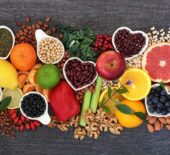
3. Focus on Anti-Inflammatory Foods
Nutrition plays an important role in managing inflammation. Including more anti-inflammatory foods can support joint health, energy levels, and overall wellbeing.
Foods to prioritise:
- Extra virgin olive oil – a powerful source of antioxidants and anti-inflammatory compounds.
- Fatty fish such as salmon, sardines, tuna, or mackerel.
- Colourful fruits and vegetables, especially berries, leafy greens, tomatoes, and capsicum.
- Legumes like lentils, chickpeas, and kidney beans.
- Whole grains such as oats, barley, quinoa, and wholegrain bread.
- Nuts and seeds like chia, walnuts, flaxseeds, and pumpkin seeds.
These foods support immune health, reduce inflammation, and provide steady energy throughout the day.
4. Keep Meal Prep Simple With Batch Cooking
Preparing food when you feel well makes it easier to eat nourishing meals on days when symptoms flare.
Techniques that help:
- Cook double batches of soups, stews, curry, or bolognese.
- Freeze portions in small containers for easy reheating.
- Pre-chop veggies when you have more energy and store them in airtight containers.
- Use pre-cut or frozen vegetables for low-effort cooking without losing nutrition.
- Cook proteins in bulk—like baked tofu, chicken, or legumes—to use across several meals.
Planning ahead reduces daily demands on your joints and energy levels.
5. Simplify Cooking With 10–15 Minute Meals
Quick, nourishing meals help you stay consistent with healthy eating, even on low-energy days.
Easy ideas:
- Tofu or tempeh stir-fry with pre-cut veggies and olive oil.
- Microwave-steamed vegetables with olive oil, lemon, and tinned fish or legumes.
- Wholegrain wraps filled with salad and cooked protein.
- Oats or quinoa porridge topped with berries and seeds.
- Chickpea salad bowls using canned chickpeas, olive oil, herbs, and vegetables.
Meals don’t need to be complex to be nutritious and supportive of your health.
6. Use Energy-Conserving Cooking Techniques
Reducing the physical demand of cooking helps protect joints and minimise pain.
Try:
- Sitting while prepping instead of standing for long periods.
- Using trays or baskets to carry multiple items at once.
- Cooking with appliances like slow cookers, air fryers, or rice cookers that require minimal handling.
- Cleaning as you go to avoid long, exhausting clean-up sessions.
Energy conservation allows you to maintain a nutrient-rich diet without overwhelming your body.
7. Keep Nutrition Support Simple and Realistic
Living with chronic conditions often means fluctuating energy levels and changing abilities. Your nutrition plan should be flexible, realistic, and centred around foods you enjoy and can prepare comfortably.
Working with a dietitian can help tailor your nutritional needs—whether it’s reducing inflammation, supporting energy, maintaining healthy weight, or adjusting for medications.
Take-Home Message
Cooking with chronic conditions doesn’t need to feel overwhelming. With a supportive kitchen setup, simple food preparation techniques, and an anti-inflammatory eating pattern, you can nourish your body while reducing strain, pain, and fatigue. Small, sustainable changes can have a huge impact on your comfort and long-term health.
Need Personalised Support?
If you’re ready to make cooking easier, reduce inflammation, and build a nutrition plan that supports your health, reach out to Feed Your Future Dietetics today.
You don’t have to navigate your condition alone—specialised, compassionate support can make every day feel more manageable.