
When most people think about bone health, calcium is usually the first nutrient that comes to mind. From childhood through adulthood, we’re told that dairy and calcium supplements are essential for strong bones.
But the reality is more complex.
Bone health isn’t just about calcium—protein is a critical structural building block of healthy bones. Without enough protein, bones lack the internal framework needed to maintain strength, resilience, and long-term integrity.
This becomes especially important during menopause and later life, when both bone density and muscle mass naturally decline.
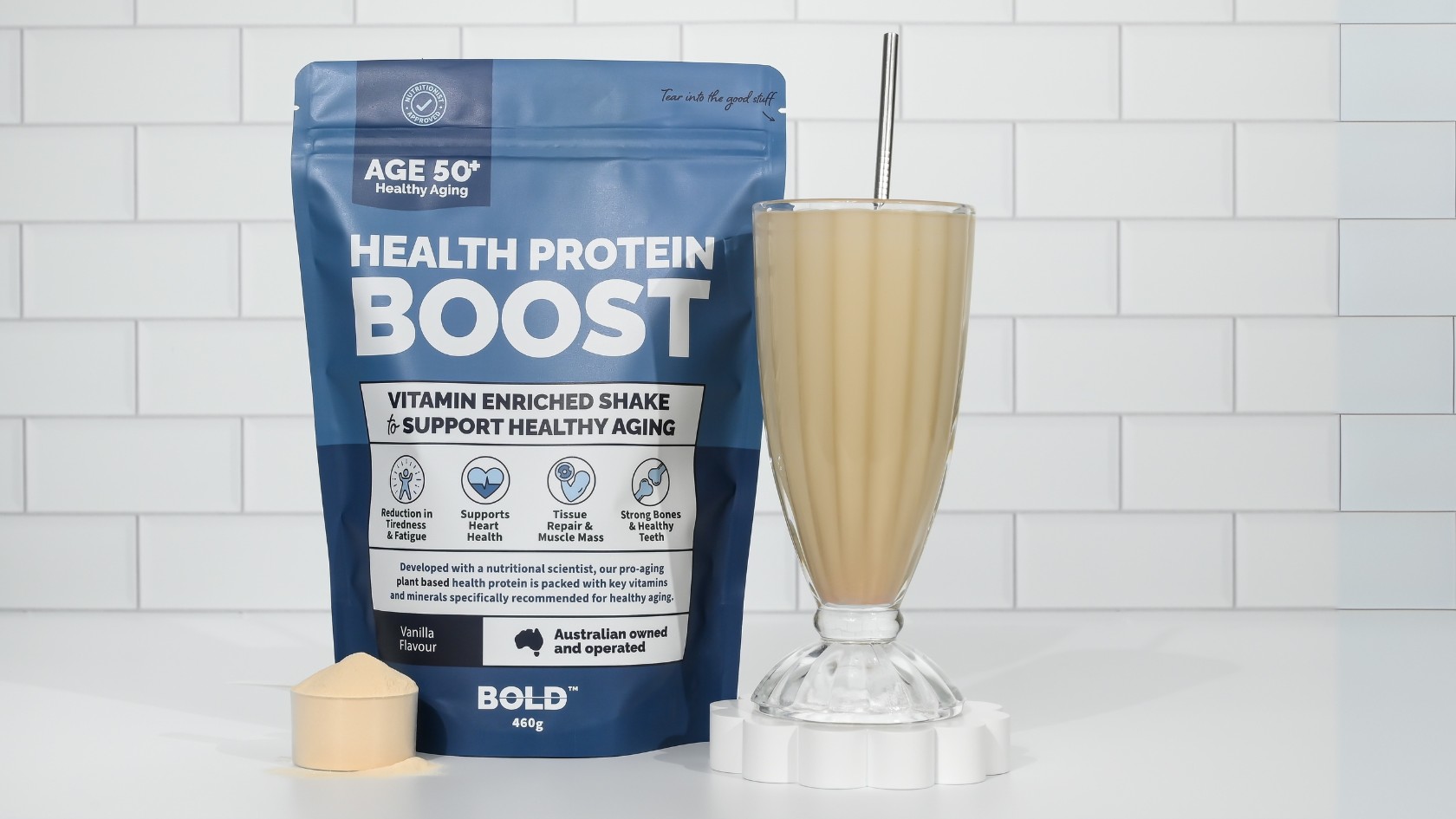
That’s where products like Bold Health Protein Boost can play a supportive nutritional role as part of a broader healthy lifestyle.
Protein: The Structural Foundation of Strong Bones
Bones are living tissue, constantly breaking down and rebuilding. Calcium and other minerals provide hardness and density, but it is protein—particularly collagen—that forms the internal scaffold of bone structure.
Without adequate protein:
- Bone remodelling becomes less efficient
- Structural integrity of bone may weaken over time
- Muscle mass declines more rapidly
- Risk of falls and fractures increases
This is why focusing on calcium alone is not enough. Protein provides the framework that minerals build upon.
Why Bone Health Changes After Menopause
After menopause, declining oestrogen levels contribute to:
- Faster loss of bone mineral density
- Reduced muscle mass (sarcopenia)
- Decreased strength and balance
These changes work together to increase fracture risk—not just because bones become weaker, but because the muscles that support and protect them also decline.
Stronger muscles help support stronger bones. This connection is essential.
Maintaining adequate protein intake during this stage of life supports:
- Lean muscle preservation
- Bone turnover and repair
- Functional strength for daily activities
- Balance and fall prevention
This is why protein becomes even more important in midlife and beyond.
Protein for Menopause
Many women navigating hormonal changes begin actively searching for nutritional support that helps them maintain strength, energy, and bone health.
While no single product can replace a balanced diet or lifestyle, a well-designed protein supplement can help support:
- Muscle maintenance during hormonal changes
- Bone strength support
- Adequate daily protein intake
- Recovery from physical activity
Protein becomes a key nutritional tool during menopause, not just a macronutrient.
Protein powder for women over 50 Australia
As women age, protein needs do not decrease—in fact, they often increase. However, many people unintentionally consume less protein due to reduced appetite, busy lifestyles, or dietary changes.
An ideal protein supplement for this stage of life should support:
- Maintenance of lean muscle mass
- Bone health nutrients such as calcium, vitamin D, and magnesium
- Easy digestion and absorption
- Overall nutritional adequacy
This combined approach is particularly important for long-term strength and independence. Bold protein could easily be considered as the best protein powder for women over 50 Australia based on these needs.
Protein Powder for Over 50: Why It Matters
Aging is associated with gradual losses in both muscle and bone mass. Without sufficient protein intake, this process can accelerate.
A protein powder for over 50 can be a practical way to support daily nutrition when food intake alone may not be enough.
Key benefits include:
- Supporting muscle maintenance and strength
- Helping preserve bone density
- Improving recovery after activity or exercise
- Providing convenient, consistent protein intake
When paired with resistance exercise and a balanced diet, protein plays a central role in healthy aging.
Bone Health Is a Whole-System Approach
Optimal bone health is not achieved through a single nutrient. It requires a combination of factors working together:
Protein
Provides the amino acids needed for bone structure and muscle support.
Calcium
Supports bone mineral density.
Vitamin D
Helps the body absorb and regulate calcium.
Magnesium
Supports both muscle function and bone structure.
Digestive support
Ensures nutrients are effectively absorbed and utilised.
This integrated approach is far more effective than focusing on calcium alone. Bold protein can be easily considered an optimal bone health protein powder.
Why Protein and Muscle Strength Matter Together
One of the most important but overlooked facts in aging nutrition is that muscle and bone health are deeply connected.
- Muscles place stress on bones, stimulating strength and adaptation
- Strong muscles reduce fall risk and improve stability
- Weak muscles increase strain on bones and joints
- Physical inactivity accelerates both muscle and bone loss
This is why nutrition and movement strategies should always work together.
Why I Like Bold Health Protein Boost
Bold Health Protein Boost stands out because it is designed with this broader health picture in mind.
It combines:
- A complete plant-based protein blend
- Key bone-supporting nutrients such as calcium, vitamin D, and magnesium
- Digestive enzymes to support absorption and gut comfort
This makes it more than just a protein supplement—it becomes a functional nutrition product designed to support both muscle and bone health.
For individuals navigating menopause or aging, this type of formulation can be a convenient way to help meet daily nutritional needs in one simple product.
Take Home Message
Bone health is often oversimplified as “just calcium,” but the science shows a much broader picture.
Protein plays a foundational role in building and maintaining bone structure, while also supporting the muscle strength needed to protect those bones.
After menopause and as we age, ensuring adequate protein intake becomes essential—not only for bone health, but also for strength, mobility, and independence.
A well-formulated protein supplement can help support this nutritional gap, especially when combined with a balanced diet, resistance exercise, and healthy lifestyle habits.
Strong bones are not built on one nutrient alone—they are built on a system of support that includes protein, minerals, and consistent daily nutrition.