It would be a fair call to say that if produce could have social status that it would be a model in Vogue magazine. The millennial food trend of smashed avocado has brought a once less popular produce back into the limelight.
You may think an avocado is a vegetable due to its creamy texture and savoury flavour. However, technically speaking, an avocado is a fruit, specifically a berry.
Avocados are not just a superficial trendy food but a nutrition powerhouse for your body. An avocado can boast being a source of many nutrients including:
- A source of heart healthy fat. Avocado is a good source of monounsaturated fat. This type of fat helps to lower your ‘bad’ LDL -cholesterol. As a source of fat, it also helps your body in other ways too. Fat is needed by your body for normal hormone production and is needed to provide healthy cushioning for your organs and for the soles of your feet.
- Avocados help promote the health of your gut and a healthy gut microbiome. Fibre also helps support healthy blood pressure, keeps you feeling fuller for longer and supports optimal digestion. A medium size avocado will give your body approximately 14g of dietary fibre. An adult needs between 25-38g of dietary fibre a day.
- Avocados are rich in vitamins and minerals including:
- Vitamin E – A fat-soluble vitamin which acts as an antioxidant. Vitamin E supports the health of your skin.
- Vitamin C – A water-soluble vitamin which is needed for optimal immune system functioning and is needed to make collagen. Collagen helps your skin and ligaments to stay healthy and your skin looking youthful.
- Folate (Vitamin B9) – A water soluble vitamin which is needed to make and repair DNA.
- Potassium – a mineral which helps to lower your blood pressure and keep your heart healthy. It is needed to nerve and muscle function. A fun fact is that avocados have more potassium than a banana!
- Vitamin K – Another fat-soluble vitamin which is needed for your blood to clot normally.
Avocados do have the reputation of being a bit ‘hit and miss’ when it comes to getting one that is perfect ripeness. To check if your avocado is ready to be enjoyed try gentle squeezing. If it gives a little it is perfect and ready to be enjoyed. If it is still hard, more time is needed to ripen. If you avocado is very squishy and looks sunken then its past its prime.
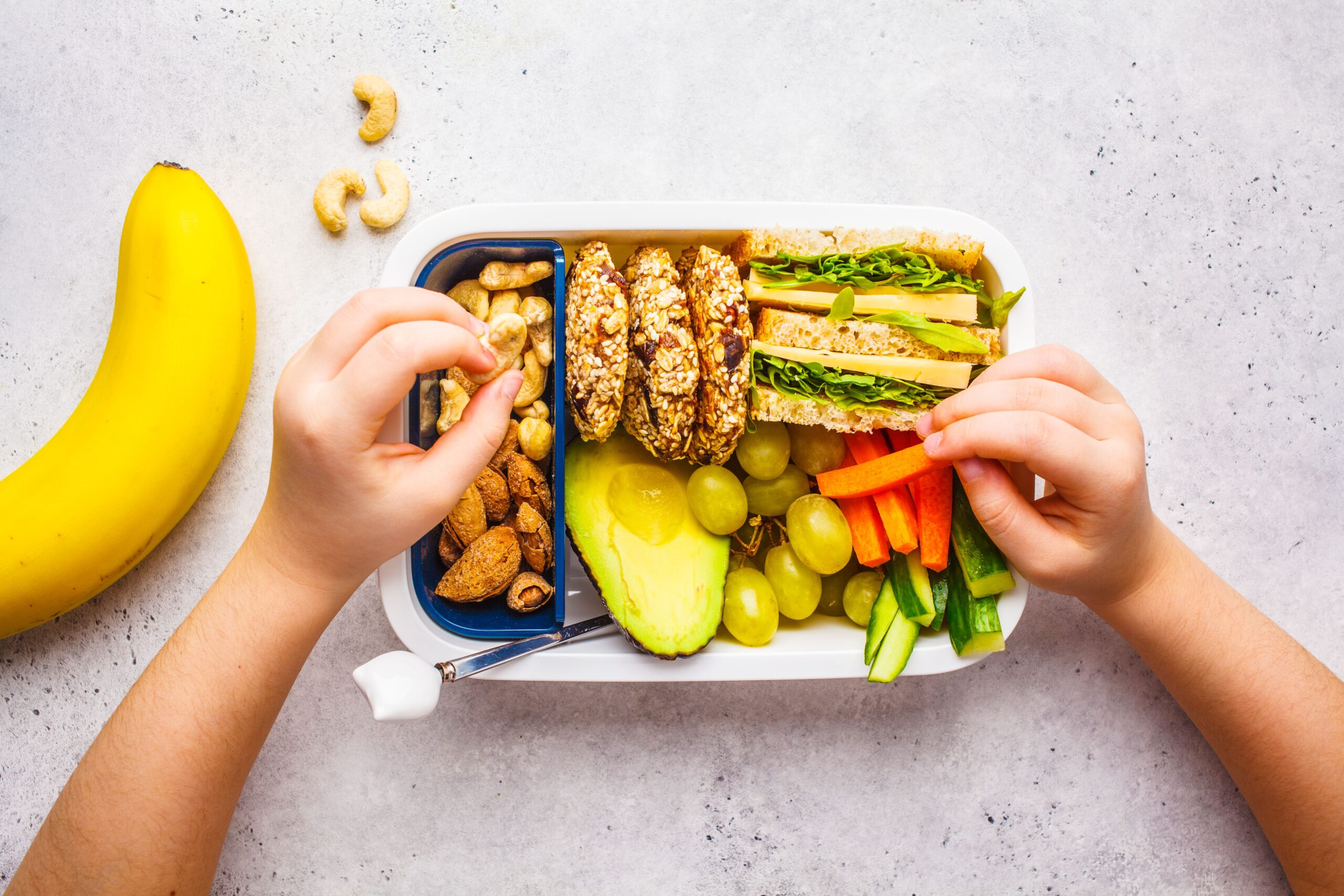
Can’t wait for it to ripen on its own? Try putting next to fruit like a banana which is a source of ethylene and helps your avocado ripen more quickly. For maximum impact try placing the avocado and banana into a brown paper bag together.
You may be pleased to learn that avocados can be used in many more ways than on your toast. Some ideas on ways you can add avocado:
- Upgrade your burger by adding avocado as a spread.
- Pasta – avocado with pine nuts, parmesan cheese, cherry tomatoes, basil leaves, baby spinach leaves, garlic and lemon juice. Pure perfection!
- Sushi – try a tuna and avocado or smoked salmon and avocado sushi roll. Both are delicious combinations. If possible, when picking sushi opt for the brown or black rice which is a wholegrain choice over the refined white variety.
- Make a guacamole. Taco Tuesday is not the same without the addition of avocado and if you have not tried using guacamole before this is your sign to start next taco Tuesday.
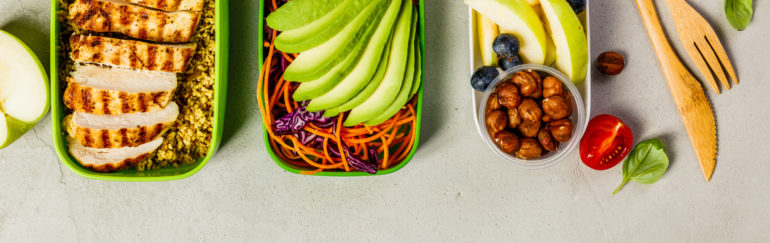
- Salads – Avocado can enhance a summer salad and add creamy delicious texture. It can be a good way to swap out sauces and add in more nutrient rich forms of flavour.
- Swap out toast for wholegrain crackers like rice cakes. A must try combo is vegemite and avocado.
- Add avocado onto your egg and salad sandwich.
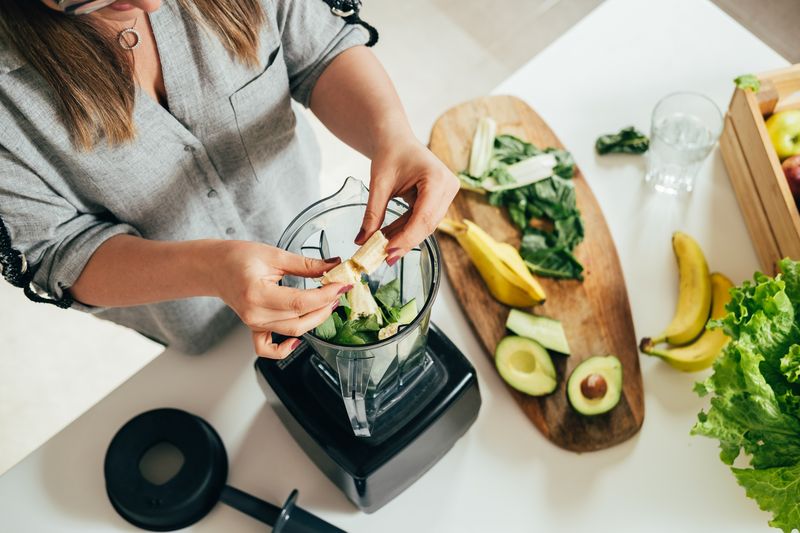
- Add avocado to a smoothie. Simply avocado, banana and milk make a tasty combination.
Take home message: Avocados are a nutrient matrix. Full of savoury, creamy flavour this fruit is a great addition to an overall balanced diet. The health of your body and taste buds will thank you for it!
If you are looking for tailored, client centered support, reach out to Feed Your Future Dietetics today!
Reference:
- Grundy SM. Monounsaturated fatty acids and cholesterol metabolism: implications for dietary recommendations. J Nutr. 1989 Apr;119(4):529-33. doi: 10.1093/jn/119.4.529. PMID: 2649645.