Climbing is a unique sport.
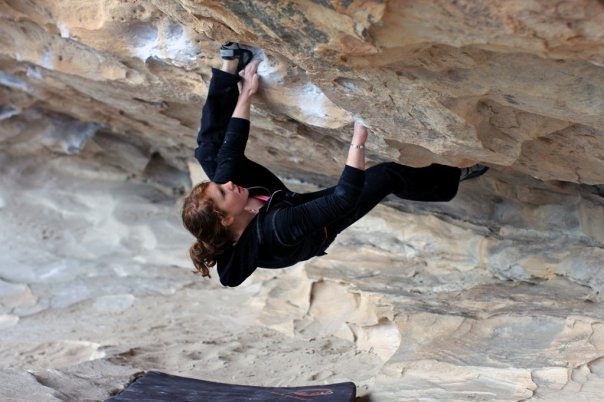
It demands explosive power, grip endurance, problem-solving under pressure and the ability to stay calm when your forearms are screaming. Whether you’re projecting a steep boulder or pushing through the crux of a lead climb, nutrition plays a direct role in how you perform.
As someone who has personally represented Australia in sport climbing, I understand firsthand how small details — including fuelling — can make or break performance. Training hard is essential. But eating strategically is what allows your body to adapt, recover and perform at its best.
Let’s break down how to fuel for both bouldering and sport climbing.
Understanding the Energy Demands of Climbing
Bouldering
Short, explosive efforts lasting seconds to a few minutes. Requires high power output, strong recruitment of fast-twitch muscle fibres and well-fuelled muscle glycogen stores.
Sport climbing
Longer sustained efforts requiring muscular endurance, pacing and efficient energy use. Glycogen availability and blood sugar stability become critical.
Both disciplines rely heavily on forearm endurance, core stability and mental focus. Under-fuelling can lead to:
• Early pump
• Reduced power output
• Slower recovery between attempts
• Poor decision making
• Increased injury risk
Daily Nutrition Foundations for Climbers
Before focusing on timing and performance meals, the foundation matters.
Carbohydrates
Climbers often underestimate carbohydrate needs. Carbohydrates replenish muscle glycogen — your primary fuel source during hard sessions. Wholegrains, rice, oats, fruit and starchy vegetables should be regular features in your day.
Protein
Essential for muscle repair, tendon resilience and adaptation. Spread protein across the day rather than loading it at dinner. Aim for a quality source at each meal and snack.
Healthy fats
Support hormone function and overall recovery. Include nuts, seeds, olive oil, avocado and fatty fish.
Iron and micronutrients
Low iron can significantly reduce endurance and work capacity. Regular screening is important, especially for female climbers.
Energy availability
Chronic under-eating is common in weight-sensitive sports. Inadequate energy intake can impair recovery, strength progression and bone health.
Pre-Climb Fuel: What to Eat Before a Session
The goal before climbing is simple: fuel without feeling heavy.
2–3 hours before
Include carbohydrates plus moderate protein.
Examples:
• Oats with yoghurt and berries
• Rice with chicken and vegetables
• Wholegrain toast with eggs and avocado
• Smoothie with banana, milk and protein
60 minutes before (if needed)
A small carbohydrate snack:
• Banana
• Toast with honey
• Yoghurt
• Muesli bar
Avoid high-fat or very high-fibre meals immediately before climbing, as they may cause discomfort.
Fuel During Longer Sessions
For bouldering sessions under 90 minutes, water is usually sufficient.
For longer sessions (2+ hours), competitions or multiple redpoint attempts:
• Small carbohydrate snacks between attempts
• Fruit
• Rice cakes
• Sports drink if intensity is high
Hydration matters more than many climbers realise. Even mild dehydration reduces grip endurance and concentration.
Recovery Nutrition: Where Gains Are Made
Training adaptations occur after the session — not during it.
Within 60 minutes post-climb, aim for:
• Carbohydrates to replenish glycogen
• Protein (20–40g) to support muscle repair
Examples:
• Chicken rice bowl
• Yoghurt with granola and fruit
• Tuna sandwich on wholegrain bread
• Smoothie with oats, milk and banana
Don’t delay recovery fuel if you have another session the next day.
Competition Day Strategy
Competition adds adrenaline and nerves.
Stick to familiar foods. Avoid experimenting.
Breakfast
Carbohydrate-rich, moderate protein, low in heavy fats.
Between rounds
Light snacks that maintain blood sugar without bloating.
Hydration
Small, regular sips rather than large volumes at once.
Mental clarity is heavily influenced by stable blood sugar.
Body Composition and Strength-to-Weight Ratio
Climbing culture often overemphasises body weight. While strength-to-weight ratio matters, under-fuelling reduces:
• Absolute strength
• Power output
• Recovery
• Tendon resilience
Long-term performance is built on adequate fuelling, not restriction.
Take Home Message
To maximise performance in bouldering and sport climbing:
• Eat enough overall energy
• Prioritise carbohydrates for power and endurance
• Distribute protein across the day
• Fuel before and after sessions
• Hydrate consistently
• Avoid chronic under-eating
Small improvements in fuelling can translate to stronger attempts, better recovery and more consistent performance on the wall.
If you’re looking to optimise your nutrition for climbing performance — whether you’re training, competing or projecting your hardest route — Feed Your Future Dietetics provides tailored, evidence-based performance nutrition support.
With personal experience representing Australia in sport climbing, alongside professional expertise in sports nutrition, I understand both the science and the lived demands of climbing. If you’re ready to fuel smarter and climb stronger, get in touch with Feed Your Future Dietetics to build a plan specific to your goals.