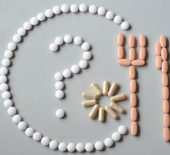

Creatine is often associated with gym culture and muscle building, yet its role in human health extends well beyond athletic performance. This naturally occurring compound plays a vital role in cellular energy production, supporting not only physical strength but also brain health, metabolic function, and healthy ageing. As interest grows in strategies that promote longevity and quality of life, creatine is increasingly being recognised as a supplement with broader health potential.
Rather than being reserved for elite athletes or bodybuilders, creatine may offer meaningful benefits for the general population. Its safety profile, affordability, and extensive research base make it one of the most well-studied supplements available. Understanding how creatine works, how much to take, and who may benefit can help people make informed decisions about its place in a healthy lifestyle.
What Is Creatine and How Does It Work?
Creatine is a compound made from the amino acids arginine, glycine, and methionine. It is stored primarily in skeletal muscle and the brain in the form of phosphocreatine. Its main role is to help regenerate adenosine triphosphate (ATP), the body’s primary energy source. ATP is required for countless processes in the body, from muscle contraction to nerve signalling.
The body produces some creatine naturally, and additional amounts are obtained through foods such as red meat and fish. However, typical dietary intake may not fully saturate creatine stores, particularly in people who eat little animal protein. Supplementation increases creatine availability in muscles and the brain, enhancing the body’s ability to meet energy demands.
Muscle Strength and Functional Health Across the Lifespan
Creatine is best known for its ability to improve muscle strength, power, and lean mass when combined with resistance training. By increasing phosphocreatine stores, it allows muscles to produce energy more efficiently during short bursts of effort and repeated movements.
These effects are particularly relevant as people age. Age-related muscle loss, known as sarcopenia, is associated with reduced mobility, higher injury risk, and loss of independence. Research suggests that creatine supplementation, especially when paired with strength training, can help preserve muscle mass, improve strength, and support physical function in older adults.
Brain Health and Cognitive Function
Creatine also plays an important role in brain energy metabolism. The brain has high energy demands, and phosphocreatine helps buffer ATP levels during periods of stress or increased cognitive load. Increasing brain creatine availability may support memory, attention, and mental fatigue resistance.
Emerging research indicates that creatine supplementation may be particularly beneficial for cognitive performance in older adults, people under high mental stress, or those with lower baseline creatine intake. While this area of research is still developing, findings suggest creatine’s benefits are not limited to physical performance alone.
Mood, Mental Energy, and Stress Resilience
There is growing interest in the relationship between creatine and mental health. Some research suggests that creatine may support mood regulation by improving brain energy availability and influencing neurotransmitter systems. Lower dietary creatine intake has been associated with poorer mental health outcomes in observational studies.
Although creatine is not a treatment for mental health conditions, its role in supporting cellular energy and brain function makes it an area of interest within broader nutrition and wellbeing strategies.
Metabolic Health and Blood Sugar Regulation
Creatine may also play a role in metabolic health. Some studies suggest that when combined with regular exercise, creatine supplementation may improve glucose uptake and blood sugar control. This may be particularly relevant for people looking to support metabolic health alongside physical activity.
While further research is needed in this area, early findings highlight creatine’s potential beyond muscle and strength outcomes.
How Much Creatine Should You Take?
The most researched and recommended form of creatine is creatine monohydrate. It is effective, affordable, and has the strongest evidence base.
- A daily dose of 3–5 grams is sufficient for most people to support muscle, brain, and general health.
- Consistency matters more than timing. Creatine works by building up stores in the body over time.
- A loading phase is optional and not required for long-term benefits.
Other forms of creatine exist, but they have not shown superior benefits compared to creatine monohydrate.
Safety and Considerations
Creatine has been extensively studied and is considered safe for healthy adults when taken at recommended doses. Long-term studies have shown no adverse effects on kidney or liver function in healthy individuals. Some people experience mild water retention in muscles early on, which is temporary and not harmful.
Individuals with existing kidney disease, liver conditions, or those who are pregnant or breastfeeding should consult a healthcare professional before using creatine.
Take Home Message
Creatine is far more than a supplement for athletes. Its role in cellular energy production supports muscle strength, brain function, metabolic health, and healthy ageing. For most people, 3–5 grams of creatine monohydrate daily is a safe and effective way to support overall health and longevity. With one of the strongest research bases of any supplement, creatine continues to emerge as a valuable tool for maintaining strength, function, and vitality across the lifespan.
For personalised guidance on whether creatine is appropriate for you, and how to integrate it safely into your routine, Feed Your Future Dietetics offers evidence-based support. With over 10 years of experience and voted one of the best dietitians in Canberra for 2025, you can be confident you’re receiving informed, individualised nutrition advice.

References
- Kreider RB et al. International Society of Sports Nutrition position stand: safety and efficacy of creatine supplementation. Journal of the International Society of Sports Nutrition.
- Candow DG et al. Effect of creatine supplementation during resistance training on muscle mass and strength in older adults.
- Rae C et al. Oral creatine monohydrate supplementation improves brain performance.
- Forbes SC et al. Creatine supplementation and aging musculoskeletal health.
- Ostojic SM. Creatine and brain energy metabolism.