Do you feel like you can never fully concentrate, are constantly run down, or struggle to get through workouts that used to feel manageable? Regular headaches, ongoing fatigue, poor recovery, or feeling flat despite sleeping and eating “well” can be frustrating — and easy to brush off as stress or a busy life.
For many women, there may be another explanation. Nearly two in three Australian women over the age of 18 experience iron deficiency at some point, making it one of the most common nutrient deficiencies. Iron plays a critical role in energy production, oxygen transport, brain function, and immune health, so when levels are low, the body feels it.
Iron deficiency often creeps up gradually, which is why many people don’t realise it’s an issue until symptoms become hard to ignore.
Why Iron Matters So Much
Iron is essential for making haemoglobin — the protein in red blood cells that carries oxygen around your body. When iron levels are low, less oxygen reaches your muscles and brain. This can lead to:
-
Ongoing tiredness or exhaustion
-
Difficulty concentrating or “brain fog”
-
Headaches or dizziness
-
Reduced exercise performance or poor recovery
-
Shortness of breath
-
Feeling cold more often
-
Weakened immunity
These symptoms can impact daily life, work, parenting, training, and overall wellbeing.
Common Reasons Iron Levels Run Low
Iron deficiency rarely has a single cause. Often, it’s a combination of factors, including:
-
Heavy or prolonged menstrual periods
-
Genetic predisposition
-
Higher needs due to exercise, particularly endurance or high-impact sports
-
Gut conditions such as coeliac disease or irritable bowel syndrome that affect absorption
-
Vegetarian or vegan diets that don’t include enough iron-rich foods or absorption strategies
-
Low overall food intake, dieting, or restrictive eating patterns
Because iron needs vary widely between individuals, two people eating similar diets can have very different iron status.
What to Do If You Suspect Low Iron
The first step is always to see your GP for a blood test. This will confirm whether your iron levels are low and whether iron supplementation is needed. If supplementation is prescribed, it’s important to follow medical advice — but food also plays a vital role in both recovery and long-term maintenance.
A diet that supports iron levels helps prevent repeated deficiency and supports overall health.
Understanding Iron in Food
There are two main types of dietary iron:
Haem Iron
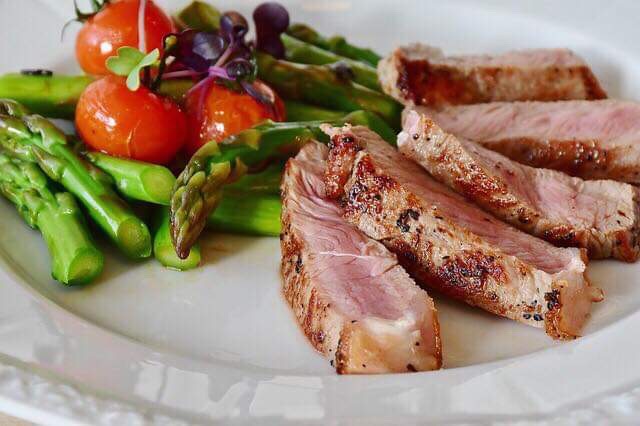
Found in animal foods such as red meat, poultry, and fish. Haem iron is absorbed more efficiently by the body (around 20%), making it an important source for many people.
Non-Haem Iron
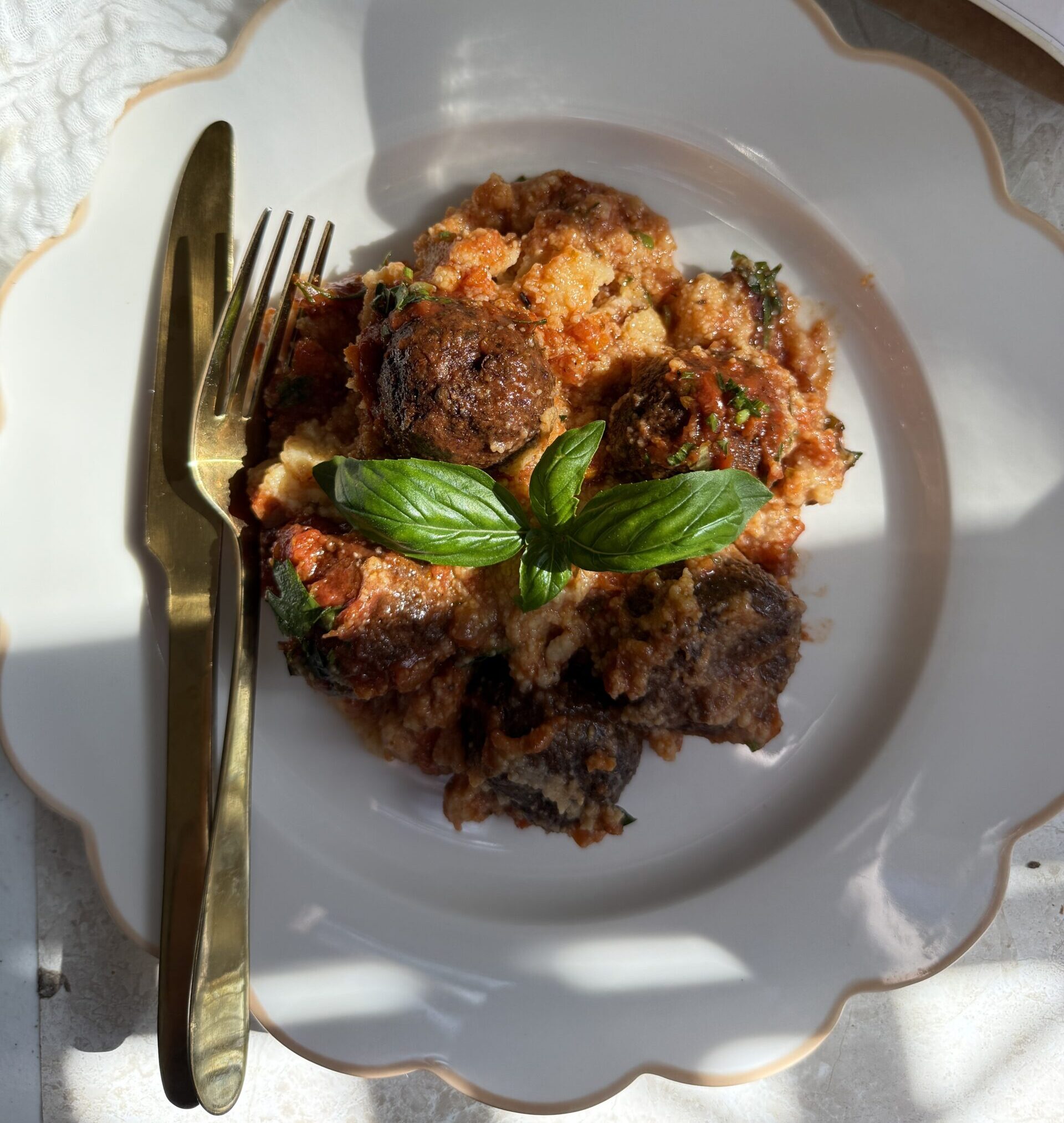
Found in plant foods such as wholegrains, legumes, tofu, fortified foods, leafy greens, nuts, and seeds. Absorption of non-haem iron is lower (around 6–18%), but it can be significantly improved with the right food combinations.
This difference in absorption is why people who don’t eat meat need to be especially mindful of how they include and combine iron-rich foods.
Practical Ways to Improve Iron Absorption
Whether you eat meat or follow a vegetarian or vegan diet, these strategies can help your body make the most of the iron you eat:
-
Include vitamin C with meals
Adding foods like citrus, berries, capsicum, tomato, or lemon juice helps increase absorption of non-haem iron. -
Cook plant-based iron sources
Cooking legumes, grains, and vegetables can improve iron availability. -
Combine plant and animal iron sources
If you eat meat, poultry, or fish, these can enhance absorption of iron from plant foods eaten in the same meal. -
Separate iron from tea and coffee
Tea and coffee contain compounds that reduce iron absorption. Try leaving at least an hour between these drinks and iron-rich meals. -
Avoid taking calcium and iron together
Calcium can interfere with iron absorption, so supplements should be spaced apart if both are needed. -
Be mindful of high-fibre foods at key times
Fibre is important for health, but very high-fibre meals can reduce iron absorption. Spacing iron-rich meals away from fibre supplements can help.
The Bigger Picture
Getting enough iron isn’t about obsessing over numbers or individual foods. It’s about regularly including a balance of meat or alternatives, wholegrains, and vegetables in a way that suits your body, lifestyle, and health needs.
Iron requirements vary depending on age, menstrual health, activity levels, gut health, and overall intake. If you’re unsure whether your current eating pattern is meeting your needs — or you’ve had low iron before — personalised support can make a big difference.
Take-Home Message
If you’re feeling persistently tired, foggy, or unable to perform at your best, iron deficiency is worth exploring. Blood tests, appropriate supplementation, and a supportive eating pattern can help restore energy and protect your long-term health.
If you’d like guidance that feels realistic and tailored to you, Feed Your Future Dietetics provides personalised nutrition support to help you understand your iron needs and build confidence with food. Reaching out could be a simple step toward feeling stronger, clearer, and more like yourself again.
References
-
Australian Bureau of Statistics. Australian Health Survey: Nutrition First Results – Foods and Nutrients, 2011–12.
-
South African Medical Journal. 1983;64(14):552–556