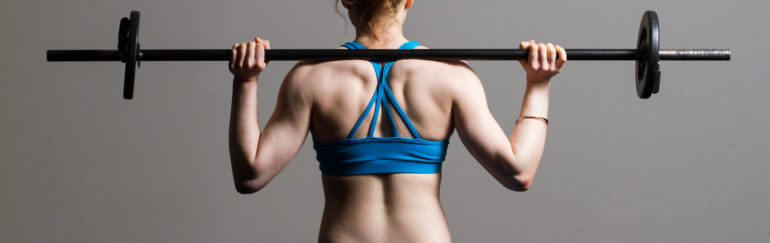
No, we’re not talking about lifting weights — we’re talking about iron, the essential mineral that keeps your body running at its best. Iron is a key component of haemoglobin, the protein in red blood cells that carries oxygen to every cell in your body. Without enough iron, your cells — and your energy — can’t function optimally.
Iron also supports your immune system, helping your body fight off illness, and is a component of myoglobin, a protein that delivers oxygen to your muscles. This is why low iron can leave you feeling fatigued, run down, struggling to recover from workouts, and more prone to colds or infections. Severe iron deficiency can cause symptoms such as tiredness, low endurance, feeling cold, and difficulty concentrating.
How Much Iron Do You Need?
Iron needs differ between men and women:
-
Men aged 19 and over need 8 mg/day
-
Women aged 19–50 need 18 mg/day
-
After 50, women’s needs drop to 8 mg/day
-
Requirements also change during pregnancy and breastfeeding
Meeting these needs is crucial for maintaining energy, immunity, and muscle function.
Types of Iron: Haem vs Non-Haem
There are two forms of dietary iron:
Haem Iron (Animal Sources)
This iron is found in meats, poultry, and fish, and is the easiest for your body to absorb. Examples include:
-
Ground cooked beef or lamb (75g) = 1.3–2.1 mg
-
Cooked beef (75g) = 1.4–3.3 mg
-
Cooked chicken (75g) = 0.4–2.0 mg
-
Tuna, canned in water (75g) = 1.2 mg
Non-Haem Iron (Plant Sources)
Found in plant-based foods, non-haem iron is absorbed less efficiently but can still contribute significantly when eaten wisely. Examples include:
-
½ cup cooked spinach = 2–3.4 mg
-
½ cup tomato puree = 2.4 mg
-
½ cup cooked lima beans = 2.2 mg
-
½ cup kale = 1.3 mg
-
¼ cup dried apricots = 1.6 mg
How to Maximise Non-Haem Iron Absorption
If you rely on plant sources of iron, these tips can make a big difference:
-
Pair with vitamin C: Foods like citrus, capsicum, or a small glass of orange juice improve absorption.
-
Combine with haem iron: If you eat meat, small amounts alongside plant-based iron can boost absorption.
-
Cook your vegetables and legumes: Heat helps release iron, making it easier for your body to absorb.
What Can Block Iron Absorption
Certain foods and nutrients can reduce how much non-haem iron your body takes in:
-
Tea and coffee: Tannins interfere with absorption — try to avoid them with iron-rich meals.
-
Calcium supplements: Take these at a different time than iron-rich meals.
-
High-fibre foods with phytic acid: Wholegrains and legumes can bind iron, so spacing them away from iron-rich foods can help.
Even small adjustments, like leaving an hour between high-calcium foods and iron-rich meals, can improve iron status over time.
Take-Home Message
Iron is essential for energy, immunity, and muscle function. Feeling fatigued, struggling with workouts, or catching colds often may be signs that your iron intake isn’t quite enough. Focusing on both haem and non-haem iron sources, pairing plant-based iron with vitamin C, and spacing iron away from inhibitors can all help.
If you’re unsure whether you’re meeting your iron needs or want personalised strategies, Feed Your Future Dietetics can help. Supporting Australians since 2016, including women experiencing fatigue, athletes, and those with dietary restrictions, our dietitians provide practical, tailored guidance to help you feel stronger, more energetic, and healthier.
Take the next step — book a consultation with Feed Your Future Dietetics today and get personalised advice on keeping your iron levels in check and your body performing at its best.
References:
-
Saunders AV, Craig WJ, Baines SK, Posen JS. Iron and vegetarian diets. The Medical Journal of Australia. 2013;199(4 Suppl):S11.
-
Iron Deficiency; Highlights from the November 2007 Journal of the American Dietetic Association. Hematology Week. 2007.